



PAPR
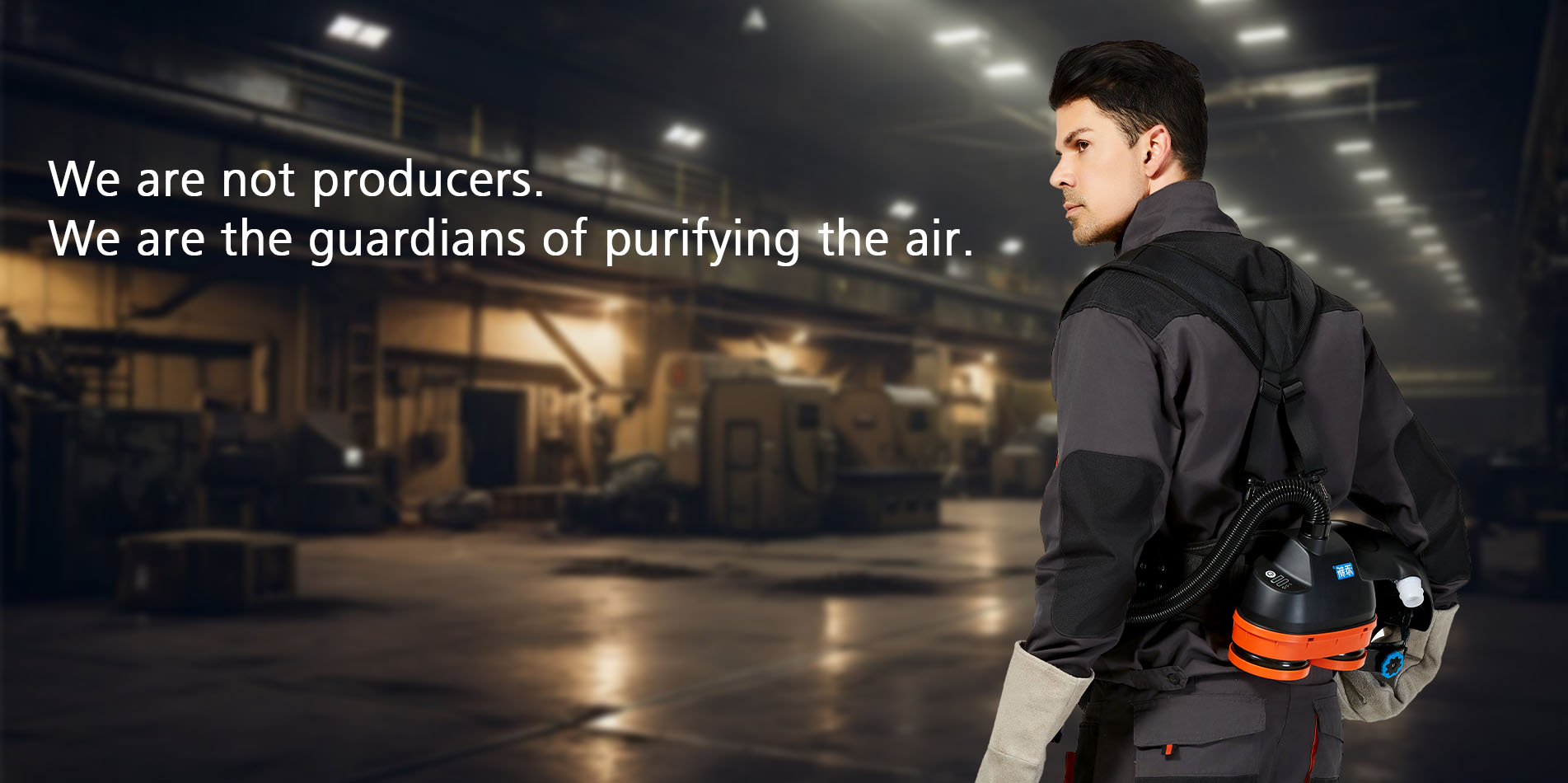
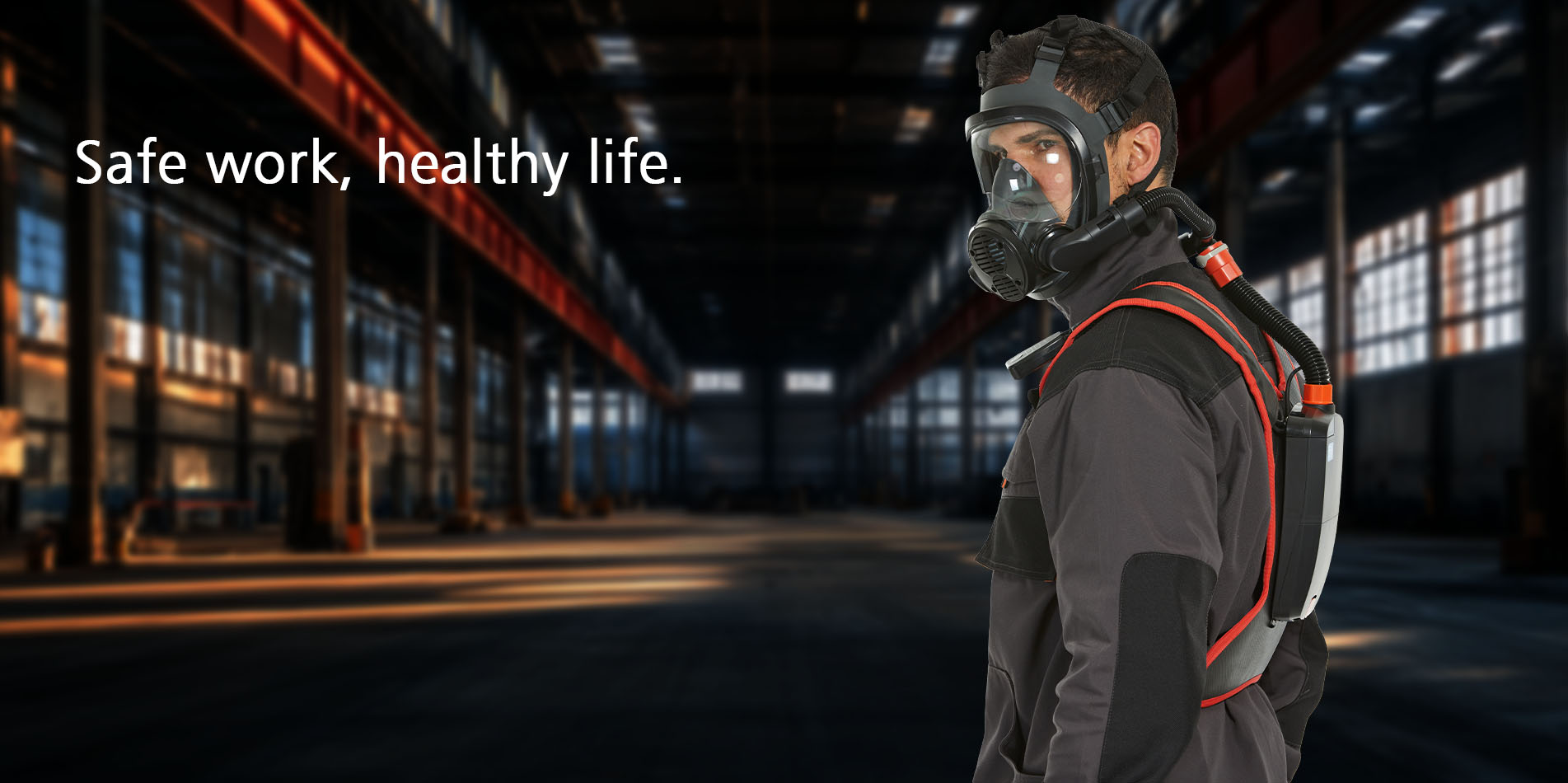
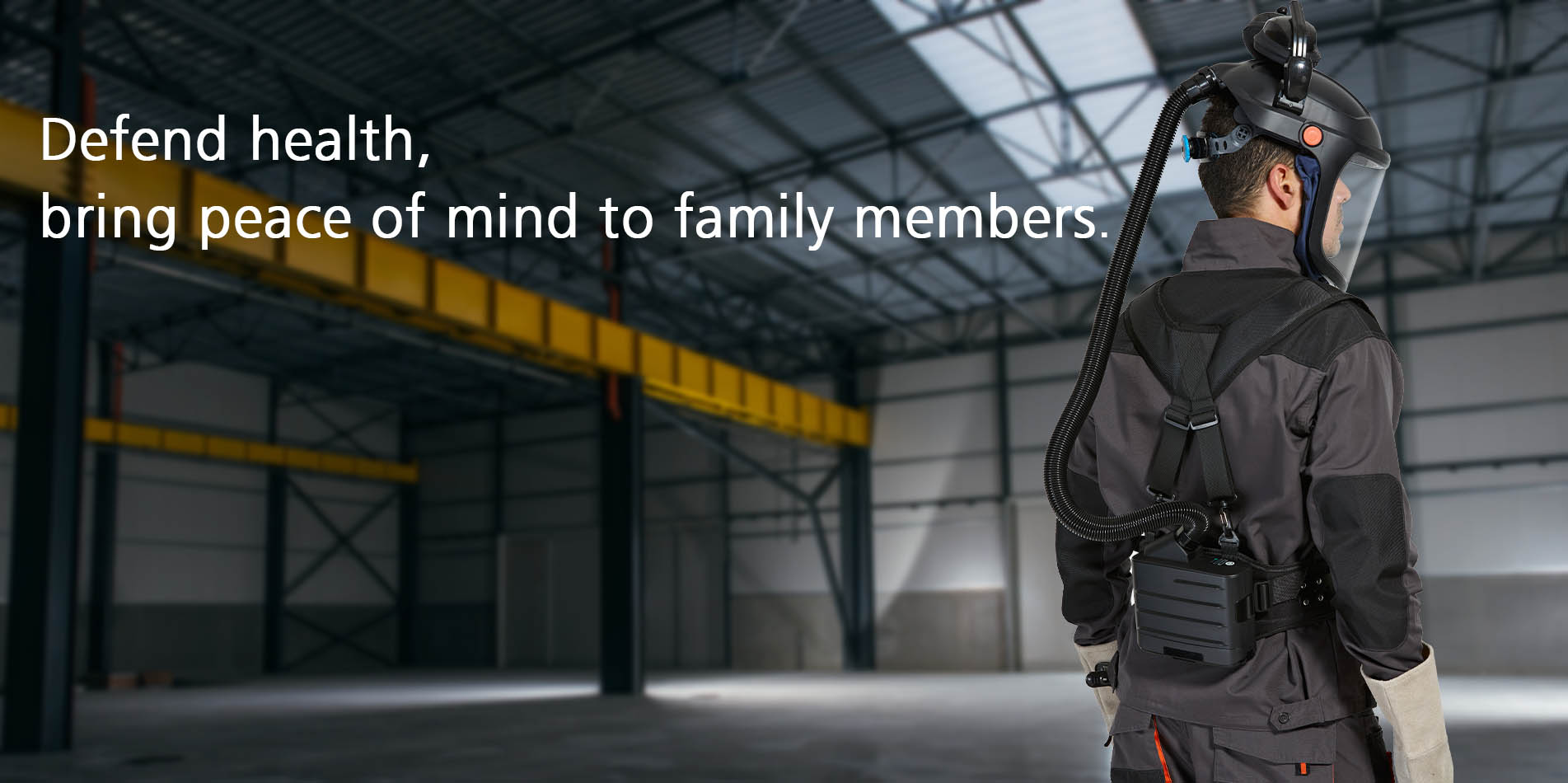
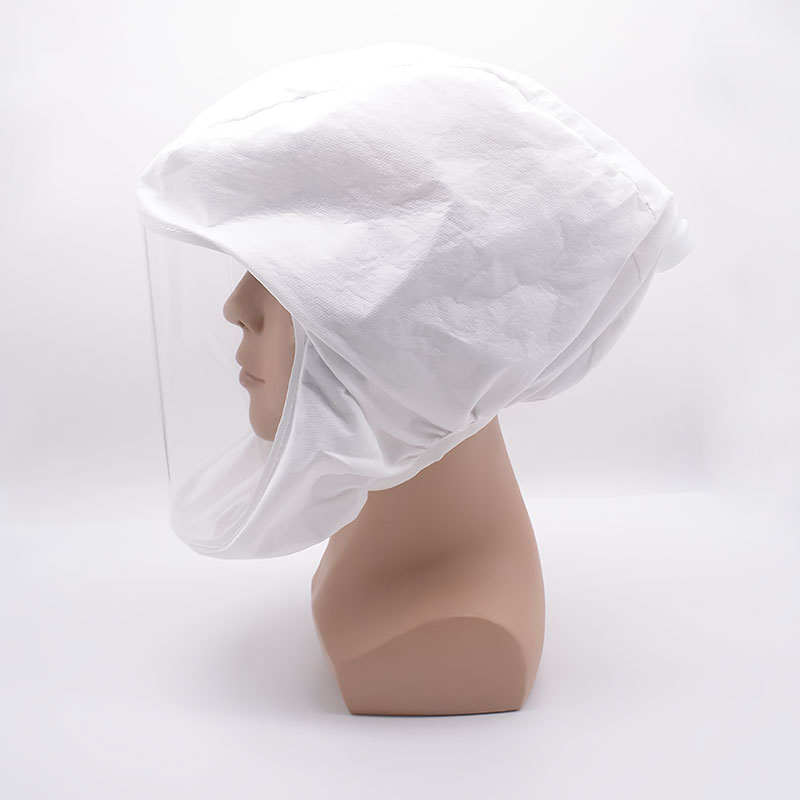
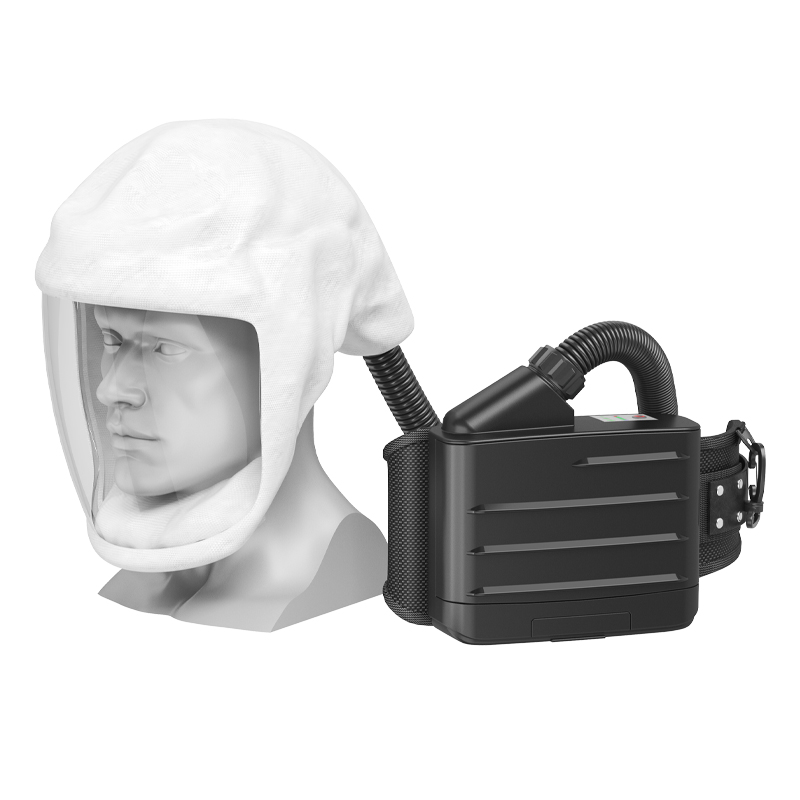
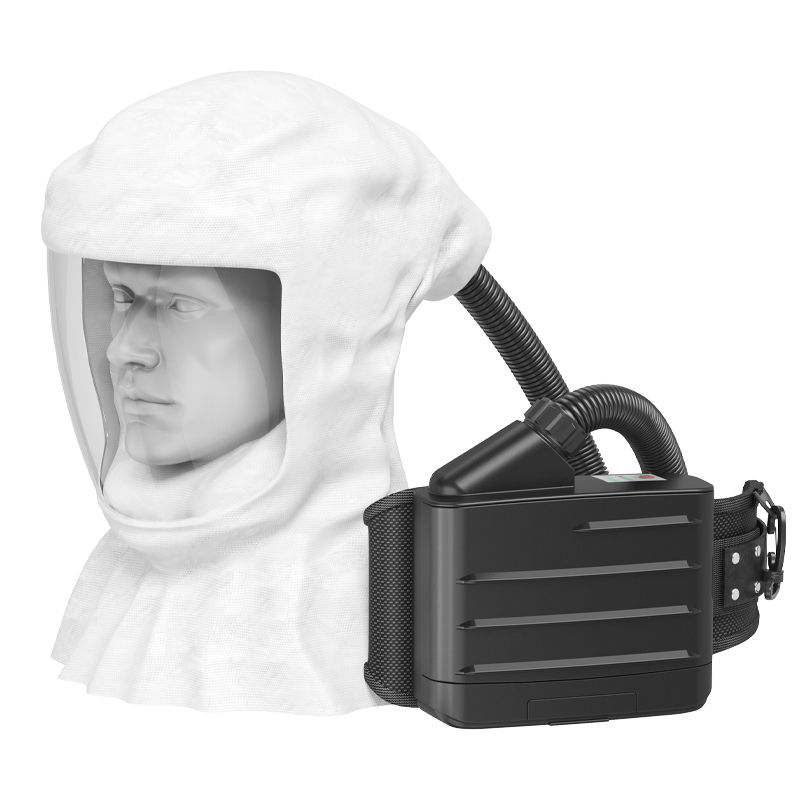
Свободный кройкапюшоны PAPR Крышка головки фитинга Primair с потерямиСвободно прилегающий к голове защитный кожух TH3 для систем принудительной вентиляции легких.
ЧИТАТЬ ДАЛЕЕ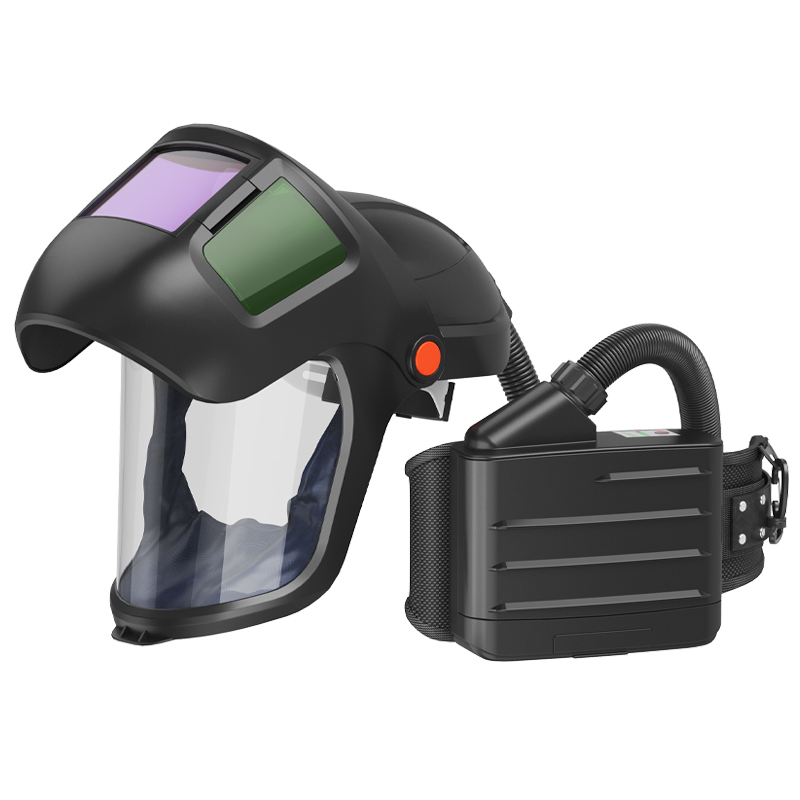
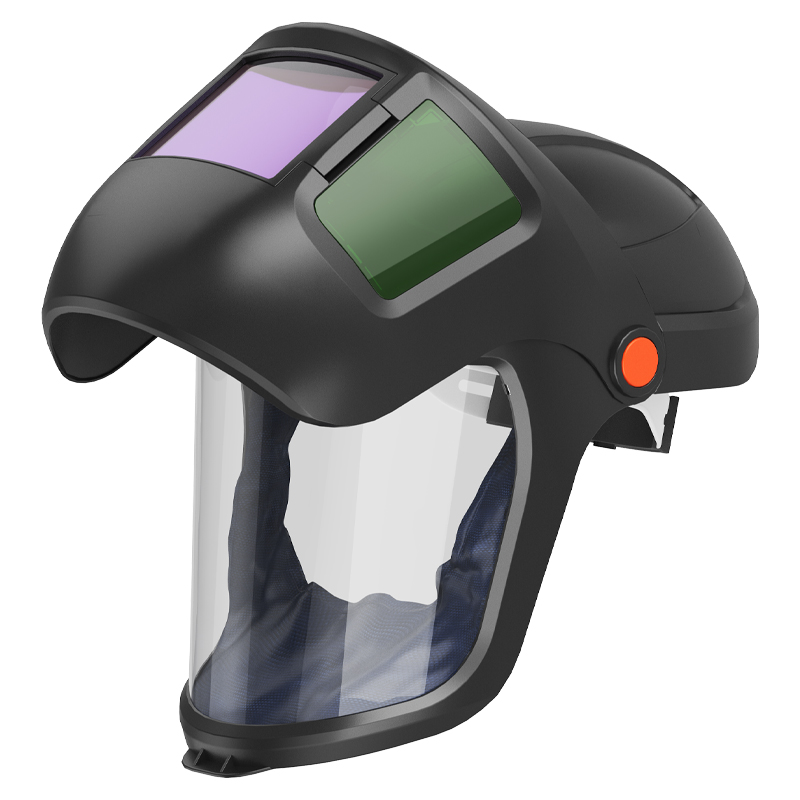
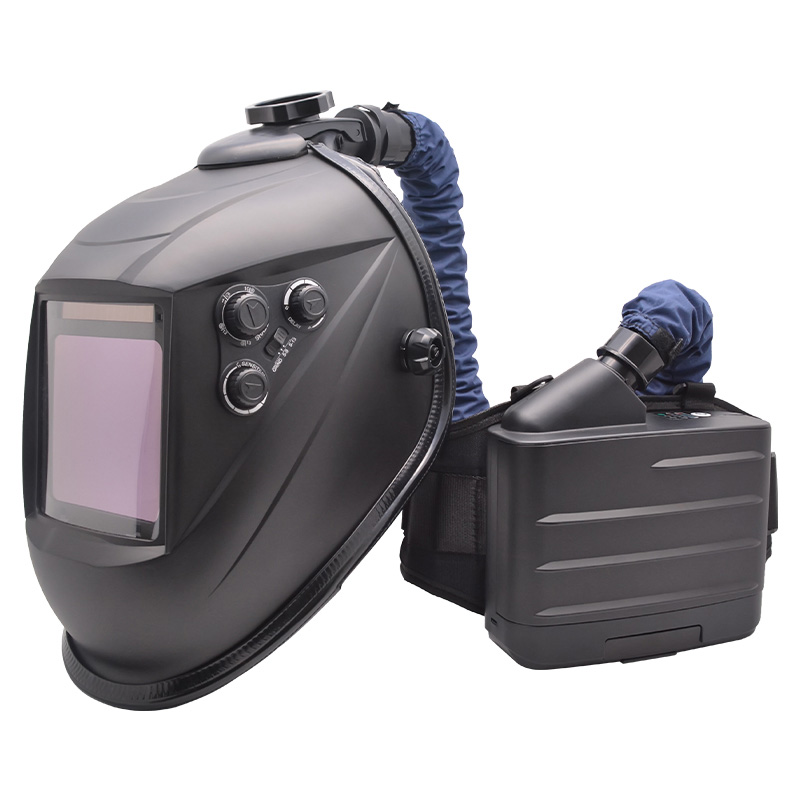
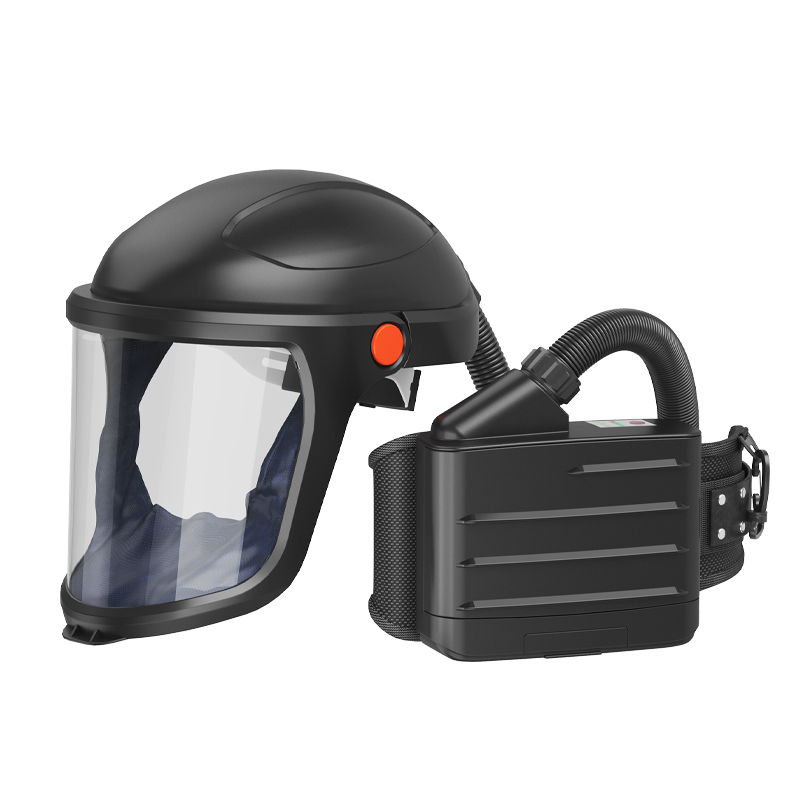
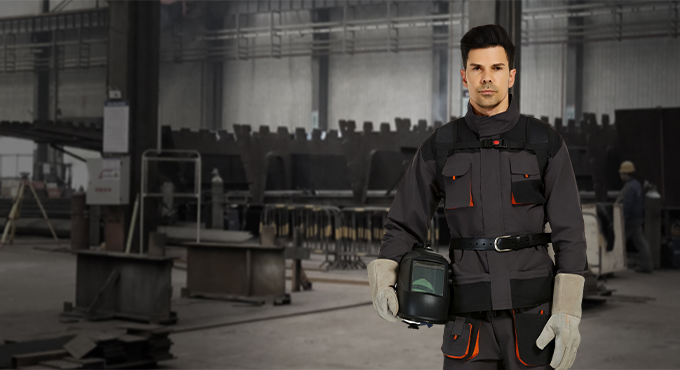
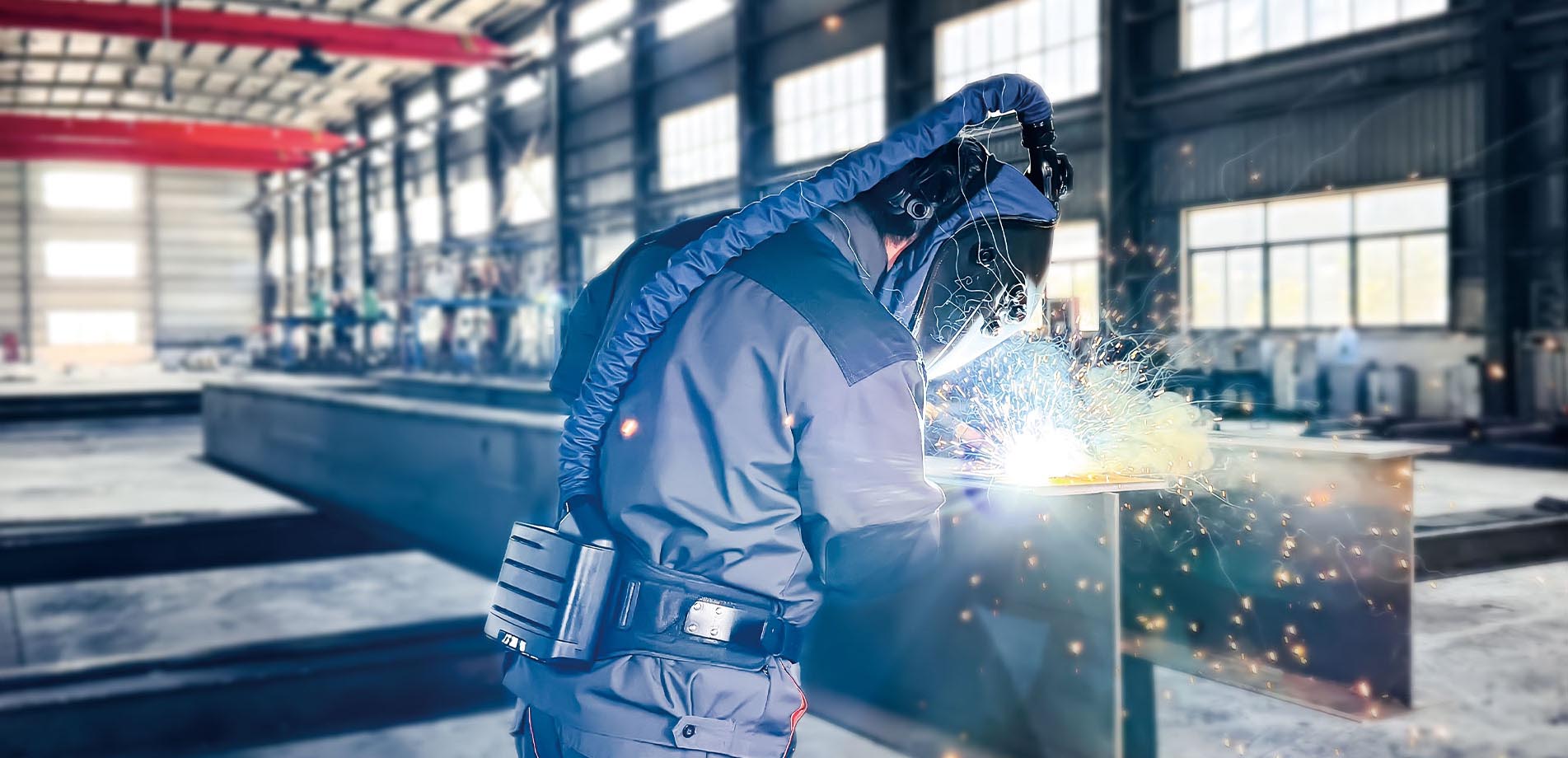
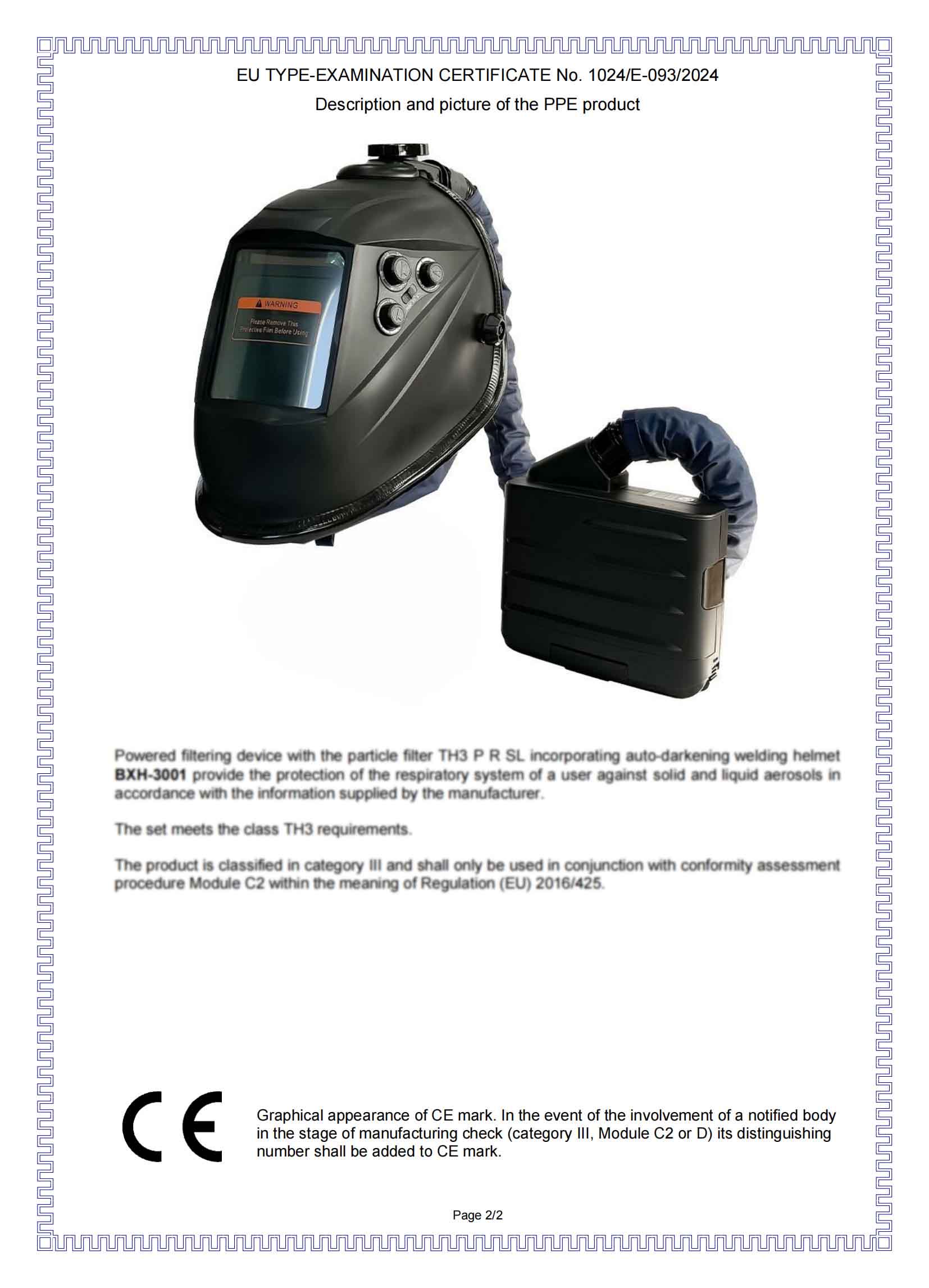
Этот усовершенствованный сварочный шлем с откидной крышкой оснащен автозатемняющаяся линза Для оптимальной защиты глаз и видимости во время сварочных работ. Интегрирован с системой PAPR, совместимый с со стандартами EN12941 TH3PRSL, он обеспечивает высокий уровень защиты органов дыхания, гарантируя безопасность и комфорт в сложных производственных условиях.
ЧИТАТЬ ДАЛЕЕ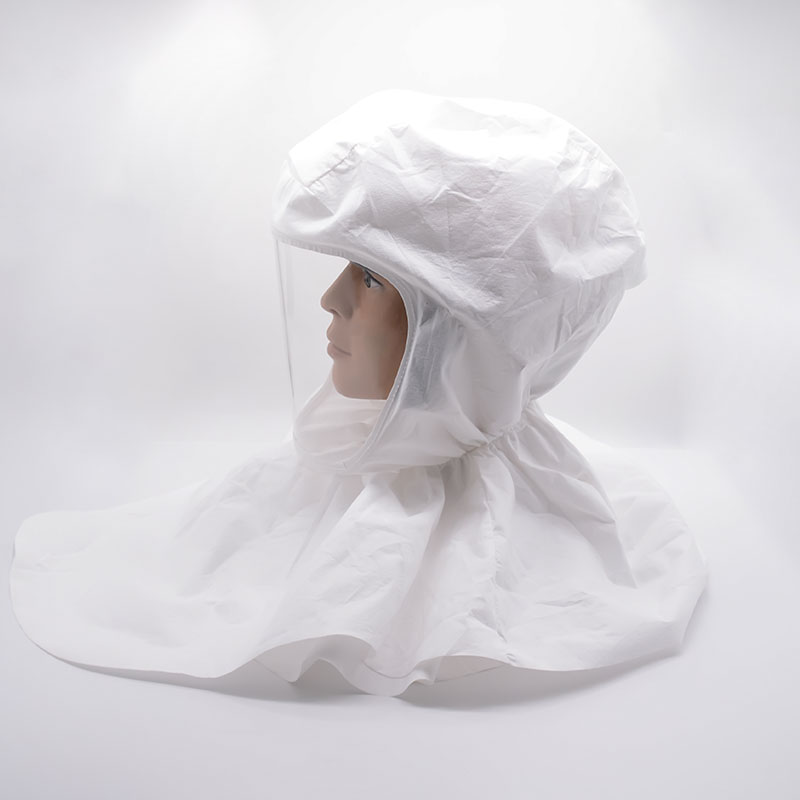
Свободный кройкапюшоны PAPR Крышка головки фитинга Primair с потерямиСвободно прилегающий к голове защитный кожух TH3 для систем принудительной вентиляции легких.
ЧИТАТЬ ДАЛЕЕ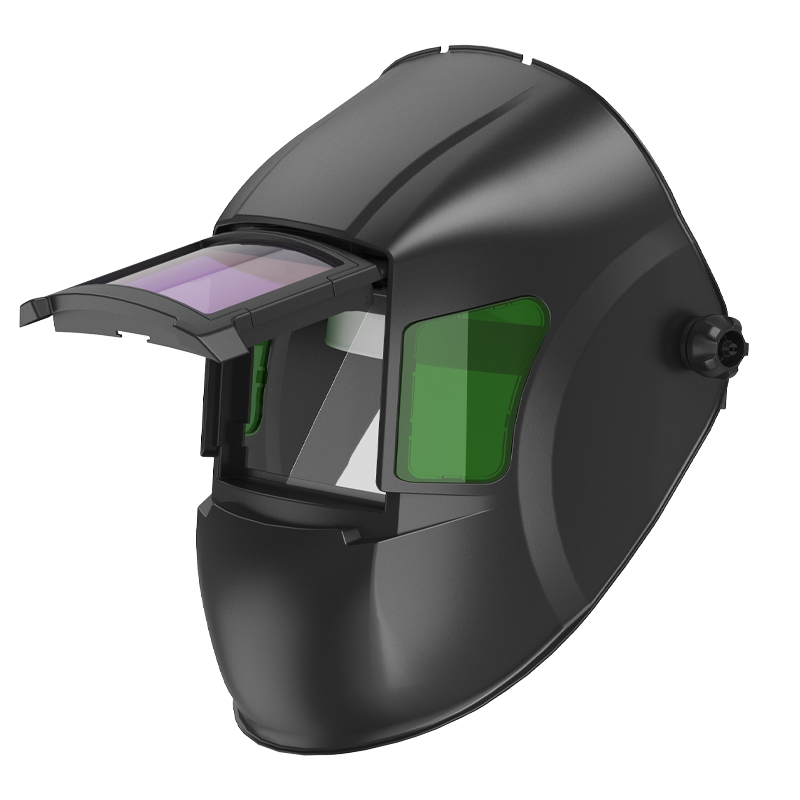
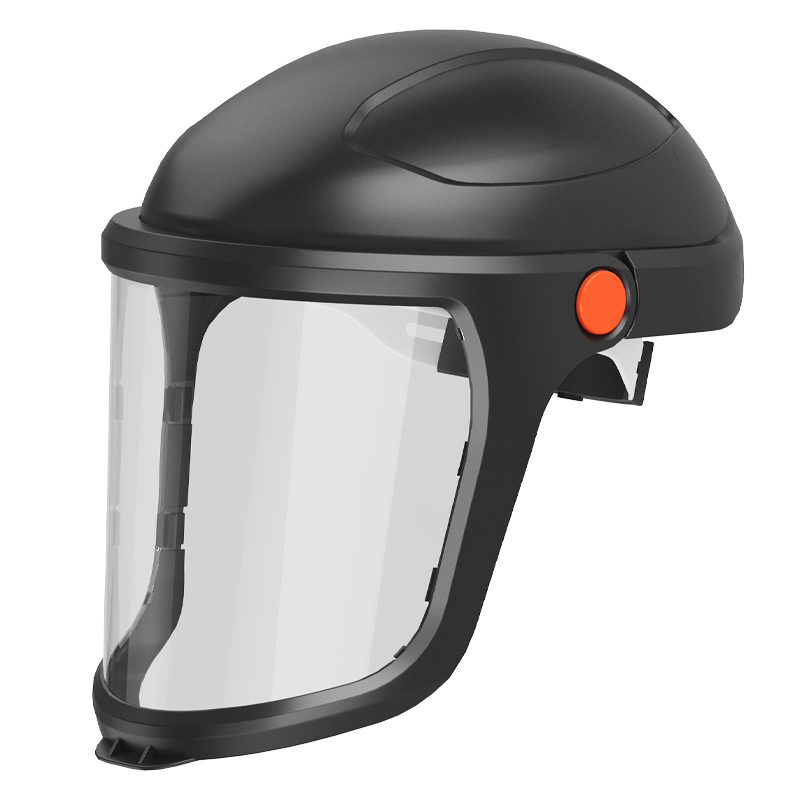
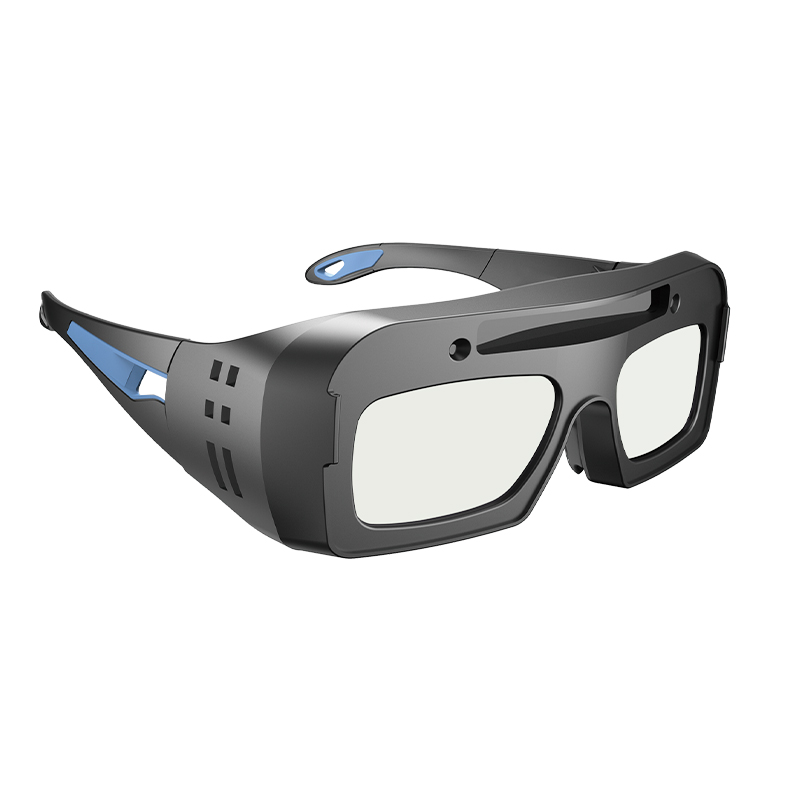
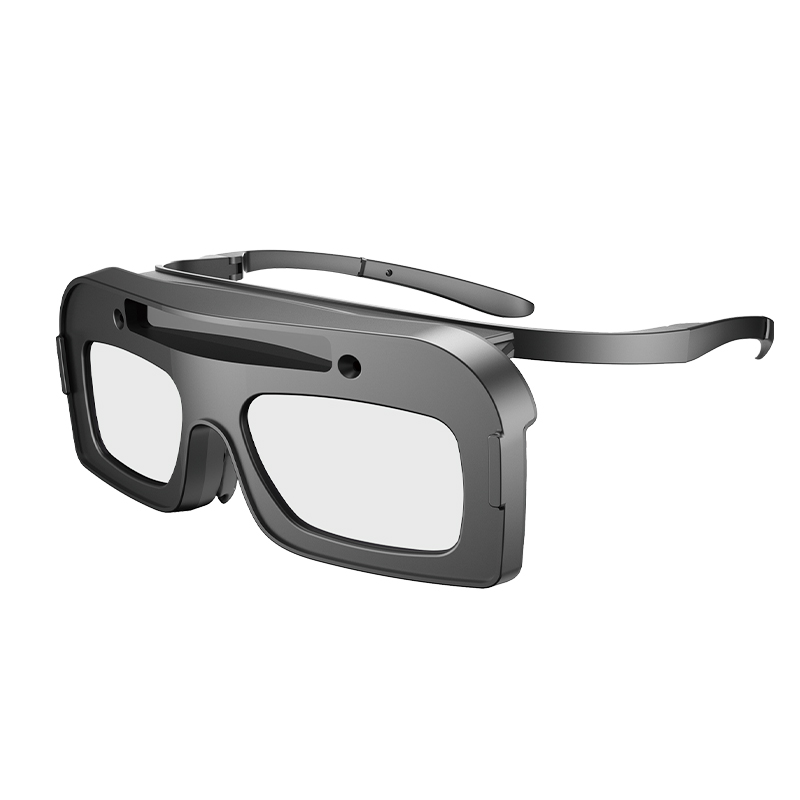
Откидной Автоматически затемняющийся шлемСверхширокий обзор экспансия с боковой конфигурацией линз
ЧИТАТЬ ДАЛЕЕ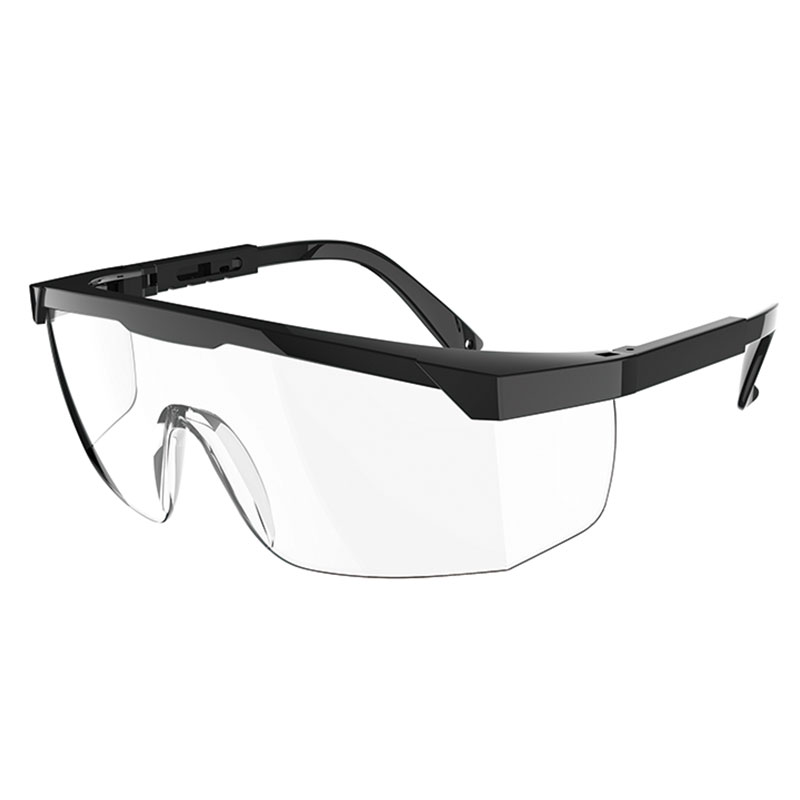
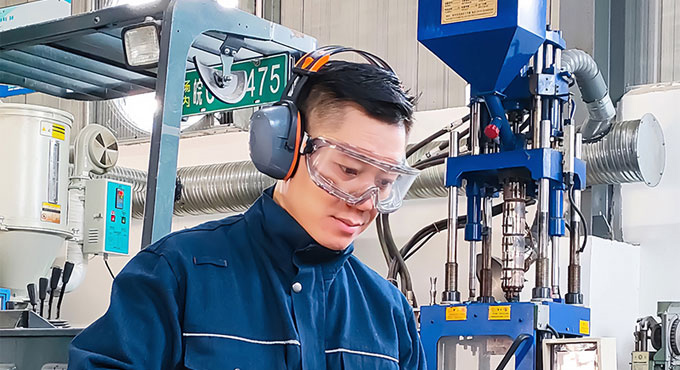
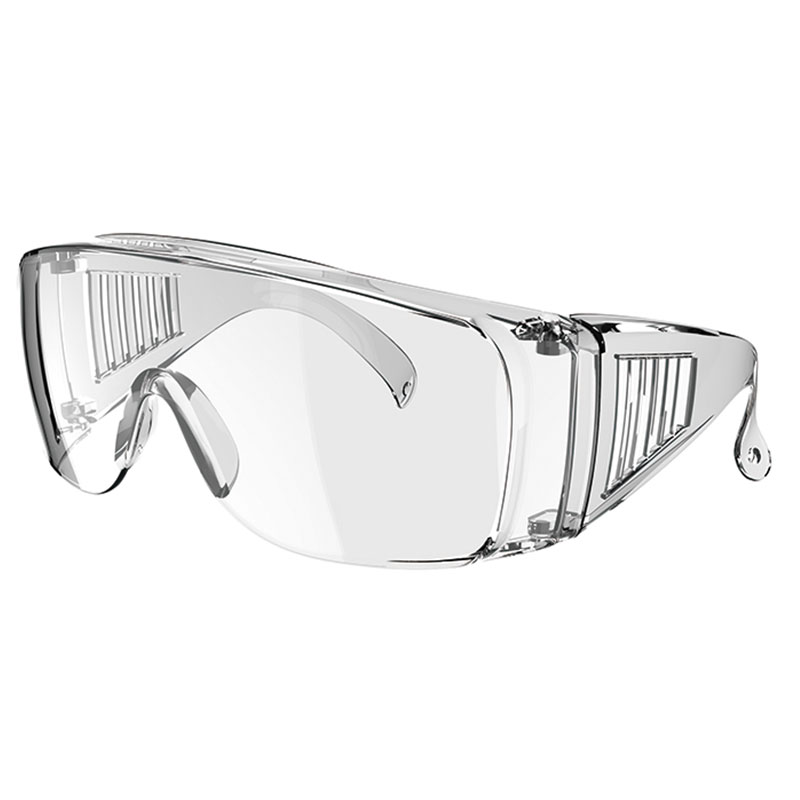
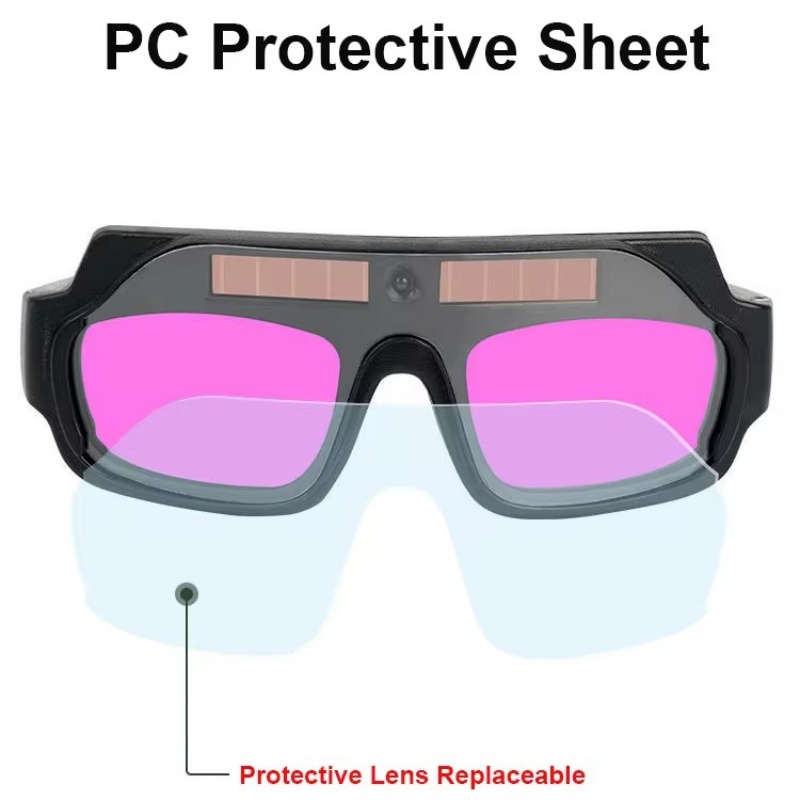
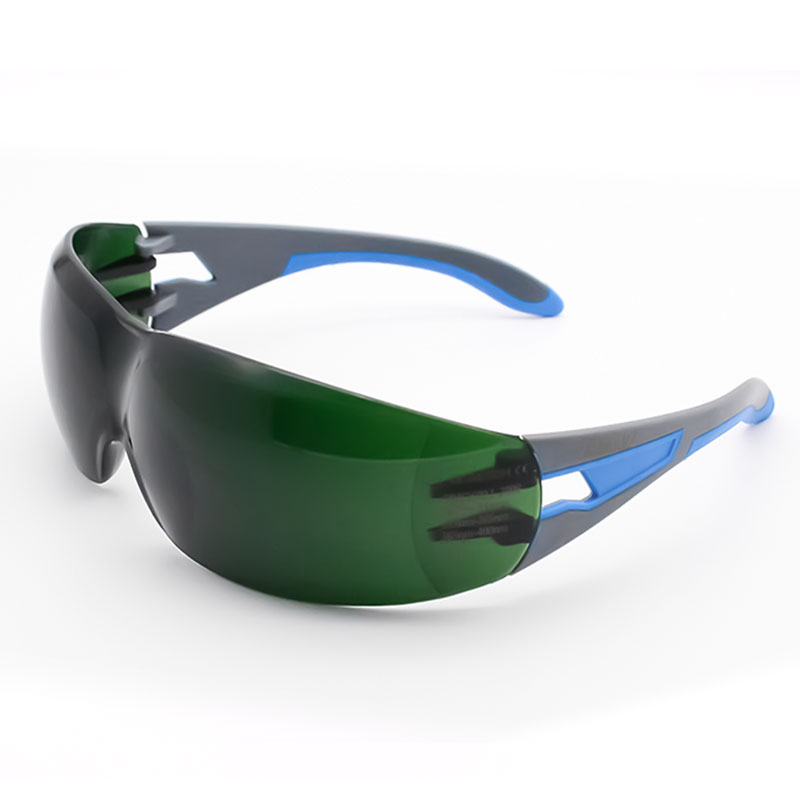
Защитные очки Защита глазEN ISO16321Защита от царапин и противотуманныеЗащита от ударов и ультрафиолета400
ЧИТАТЬ ДАЛЕЕ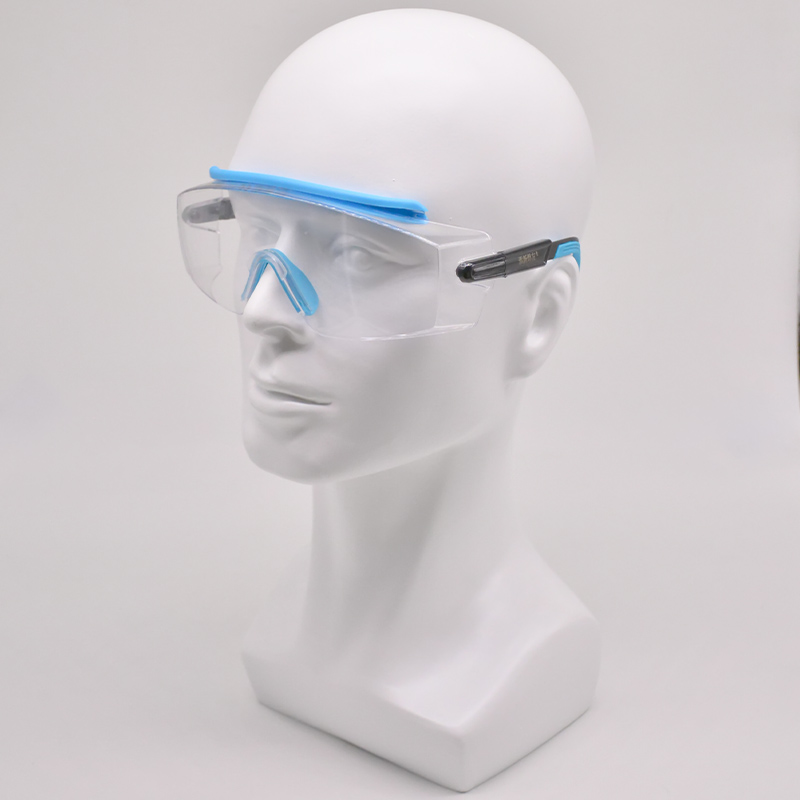
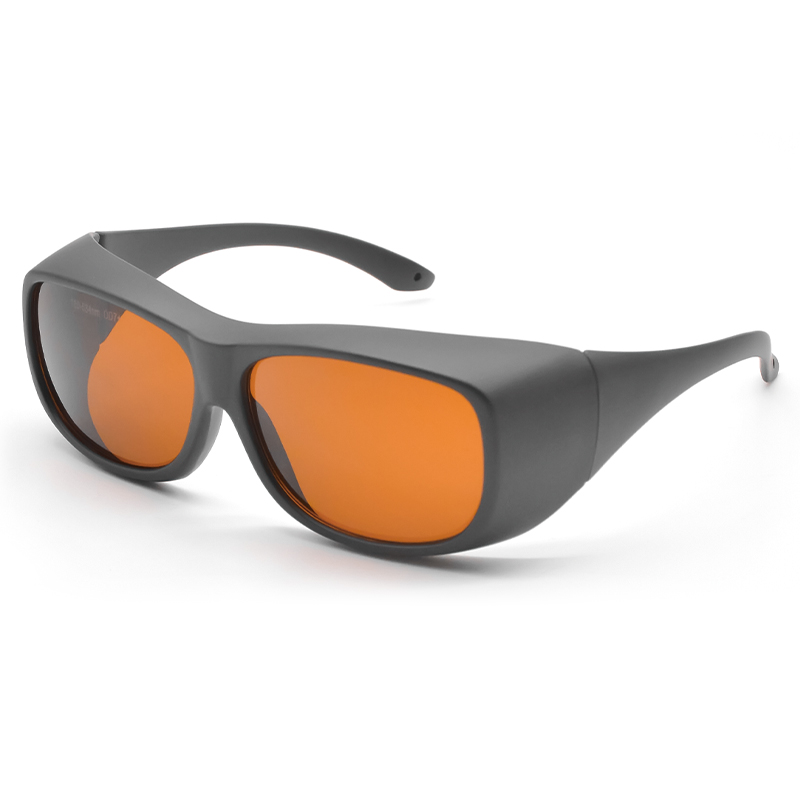
Защитные очки Защита от царапин и противотуманныеПротивоударный и UV400 EN ISO16321OTG-очки
ЧИТАТЬ ДАЛЕЕ
29+,0000
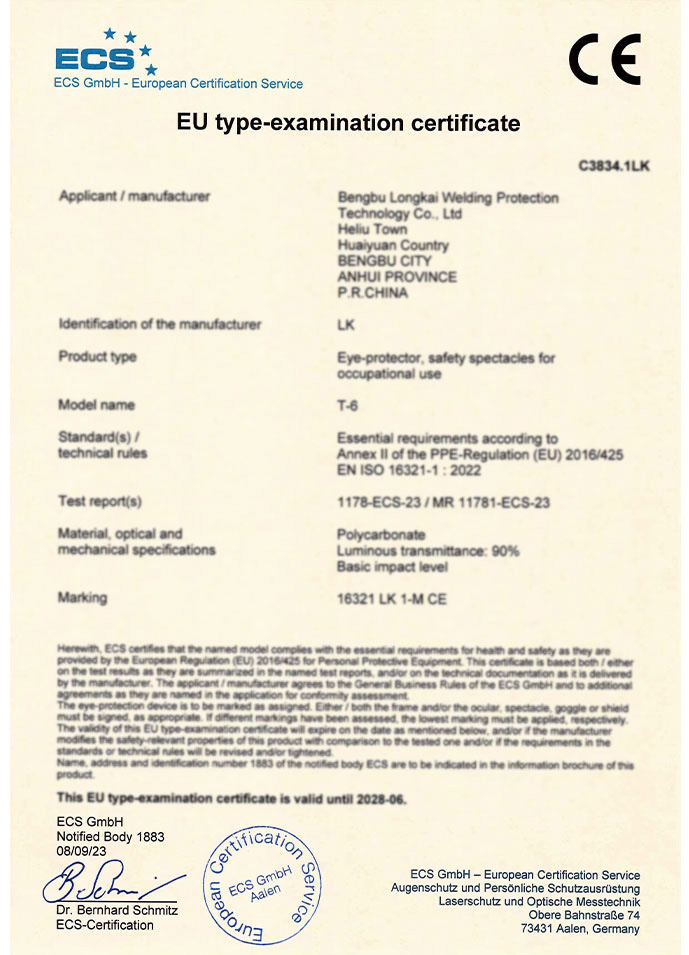
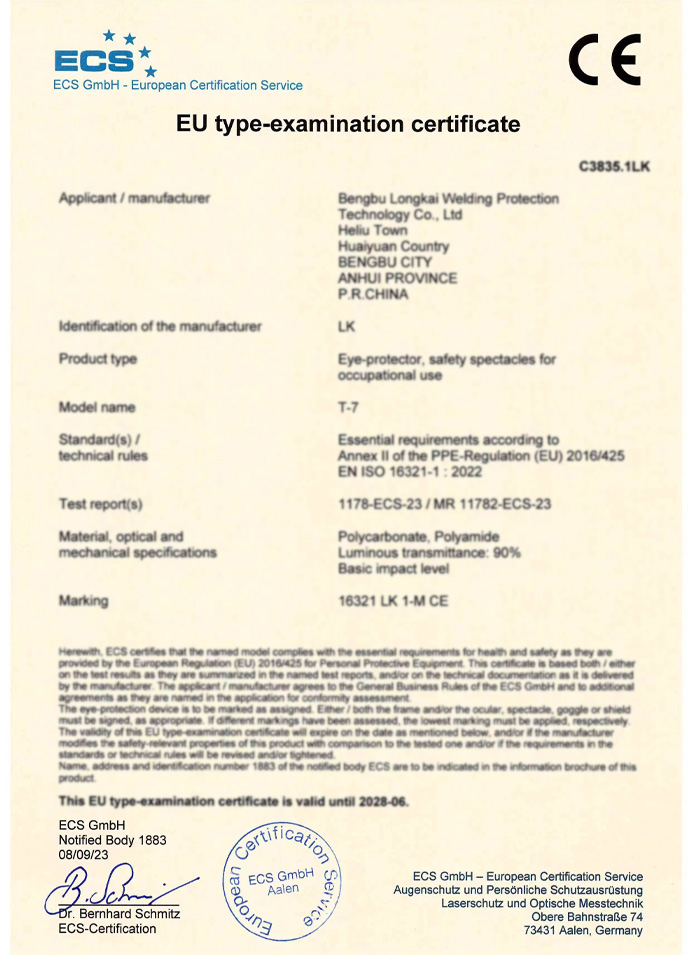
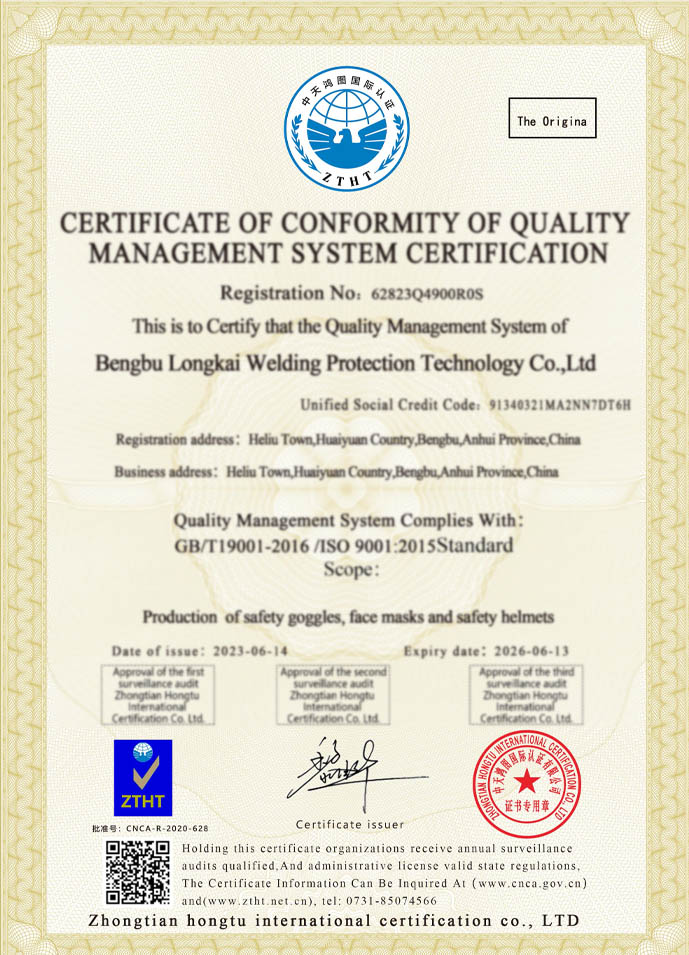
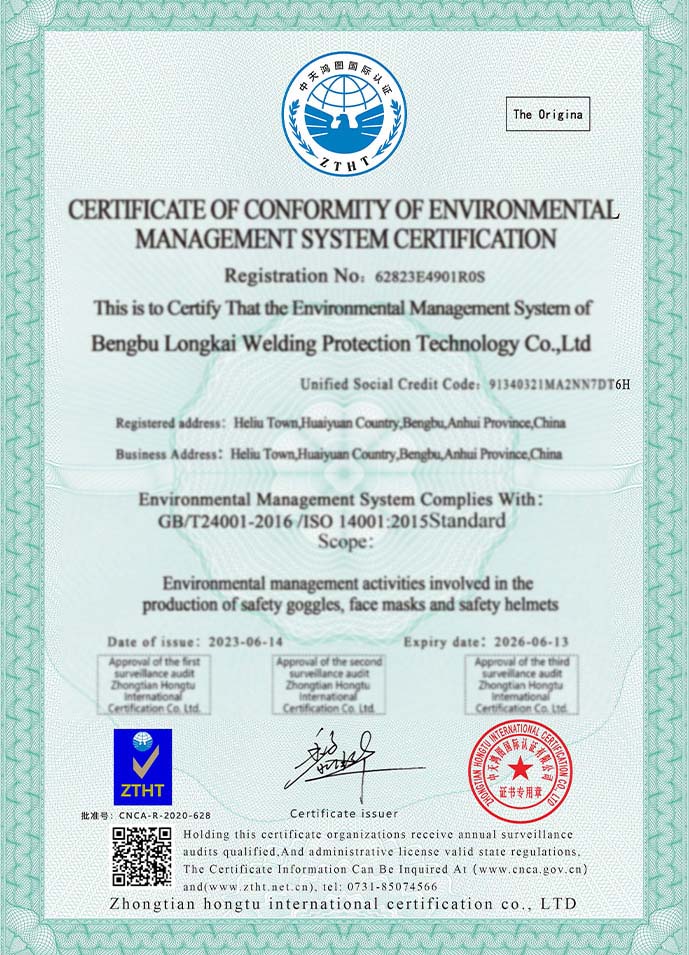
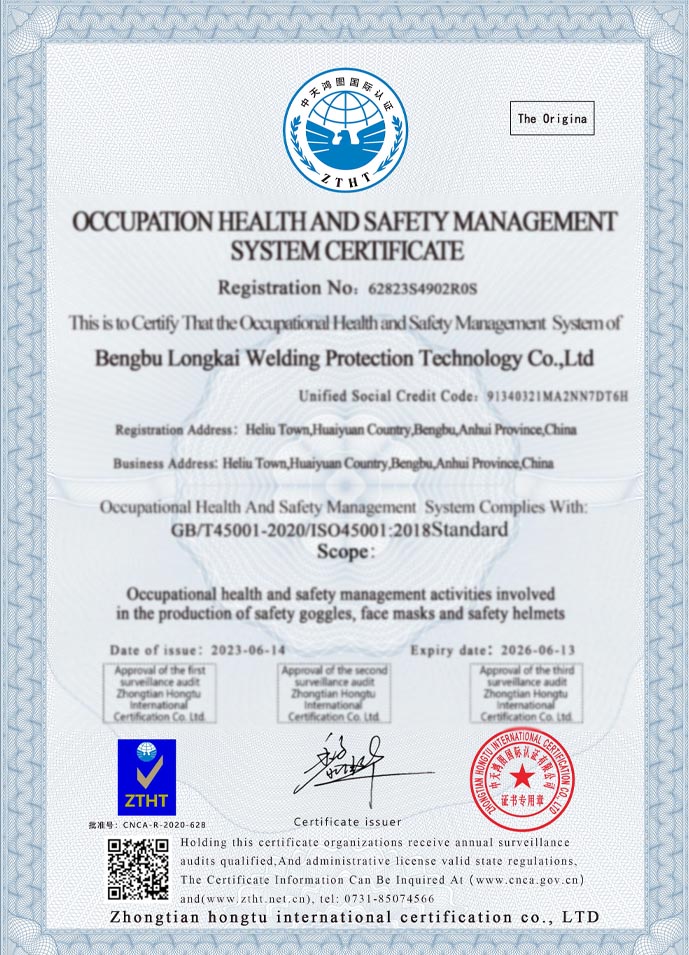
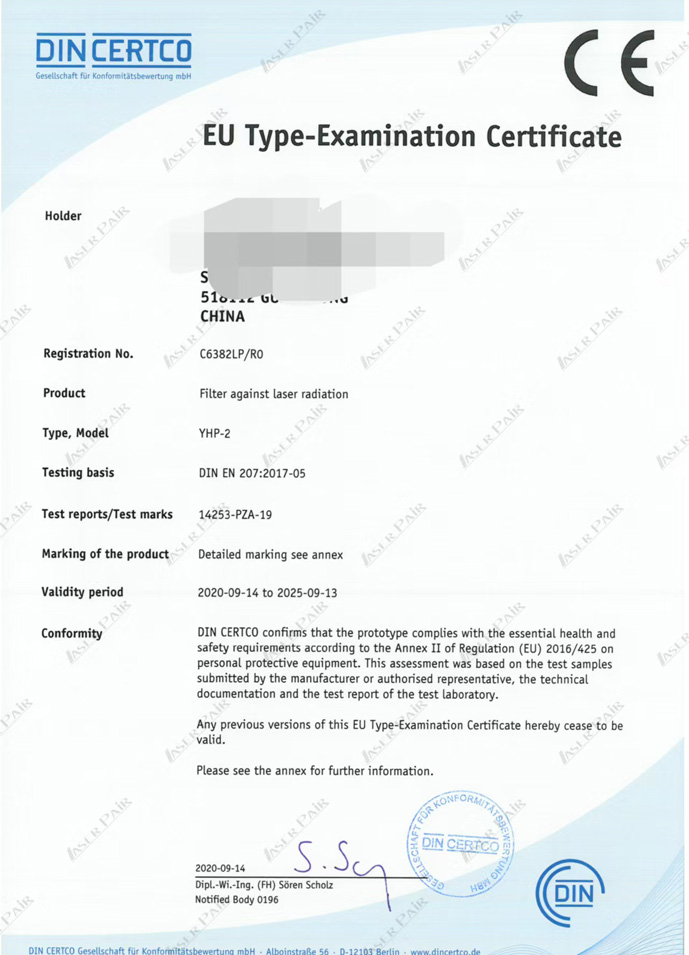

Работники на фабрике

Страны и регионы продаж.

Площадь завода (㎡).

Многолетний опыт работы на рынке.
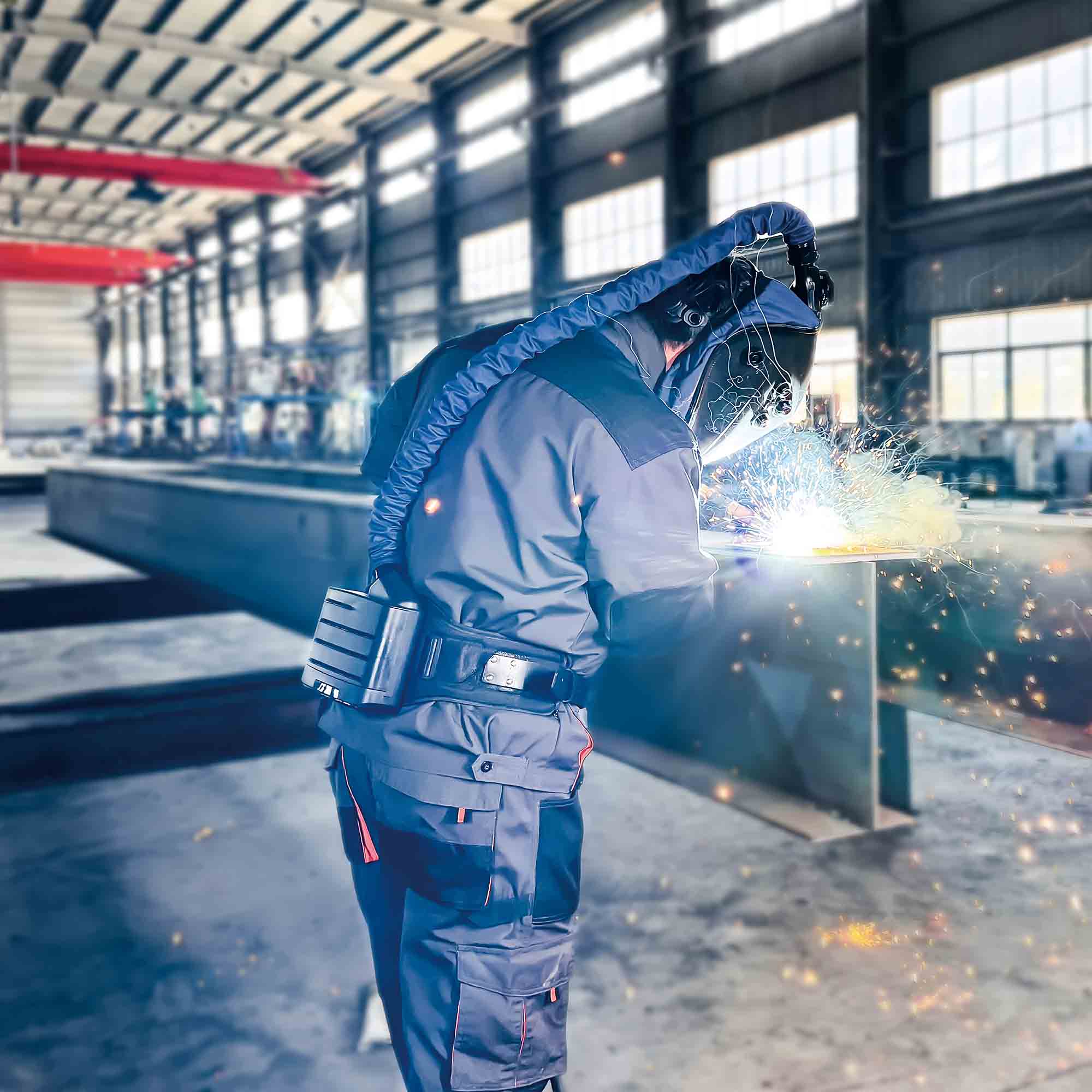
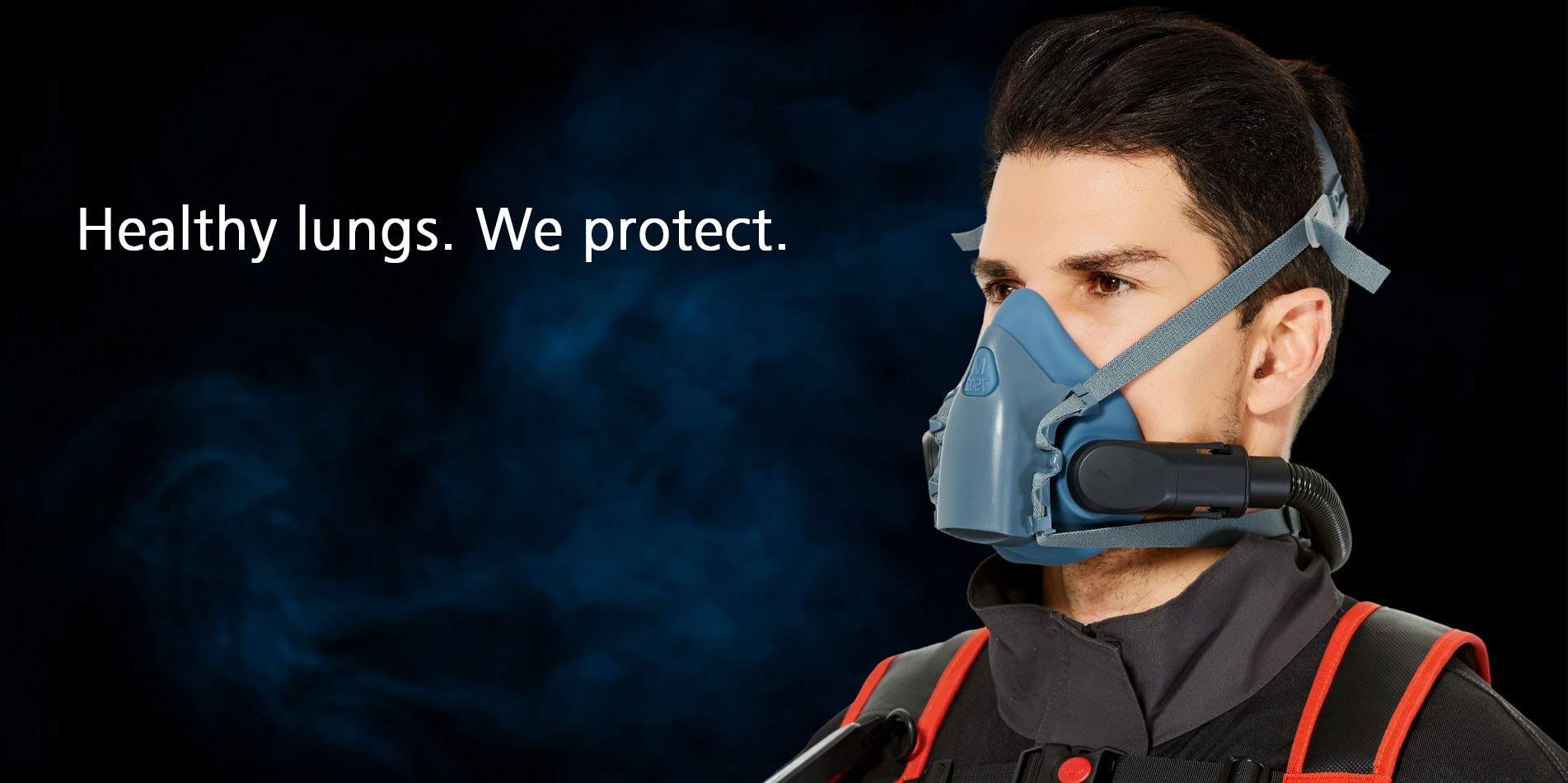
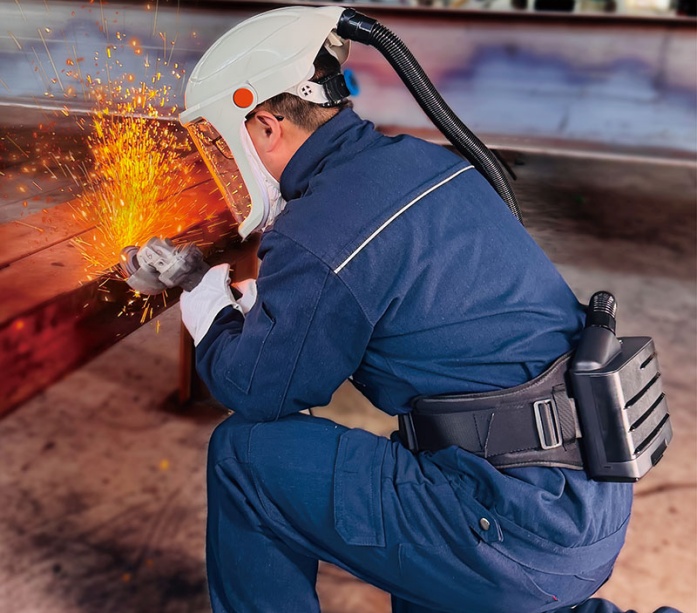
Применение PAPR (электроприводного воздухоочистительного респиратора) в сварочной промышленностиВ основном, они предназначены для защиты органов дыхания, обеспечивая сварщиков чистым воздухом, что положительно сказывается на их здоровье, а также повышая комфорт и удобство работы. Во-первых, наши респираторы с принудительной подачей воздуха очень легкий, Вес со стандартной батареей составляет всего 820 г. - Обеспечение защиты органов дыхания: Во время сварки образуется большое количество дыма и вредных газов, таких как пыль оксидов металлов, таких как оксид железа и оксид марганца, а также оксид углерода и оксиды азота. PAPR всасывает наружный воздух через электрический вентилятор, фильтрует его через фильтр и подаёт чистый воздух под избыточным давлением в маску, предотвращая попадание загрязненного воздуха и эффективно защищая дыхательную систему сварщика от вдыхания этих вредных веществ. Фильтр HEPA класса TH3, эффективность фильтрации 99,97%.- Повышение комфорта при ношении: Система PAPR относительно лёгкая и регулируемая. Рабочие могут закрепить её на поясе или носить на спине с помощью четырёхточечного ремня безопасности. Подача воздуха от вентилятора облегчает дыхание, снижая утомляемость сварщиков. По сравнению с традиционными автономными дыхательными аппаратами, она менее утомительна даже при длительном ношении. Наш PAPR можно подключить. другой Шлем с нашим многофункциональным соединителем. - Оптимизация визуальной четкости: PAPR обычно можно использовать со сварочными масками. Полнолицевая маска обеспечивает широкий обзор, а избыточное давление воздуха предотвращает запотевание маски, позволяя сварщикам лучше видеть зону сварки, что способствует повышению качества сварки и эффективности работы. - Адаптация к различным сценариям: Расход воздуха системы PAPR можно регулировать в соответствии с различными процессами сварки и рабочими условиями. Расход воздуха уровня 1: 170 л/мин, уровня 2: 210 л/мин. Интеллектуальный постоянный поток воздуха, Скорость турборежима автоматически увеличивается при увеличении сопротивления фильтра.
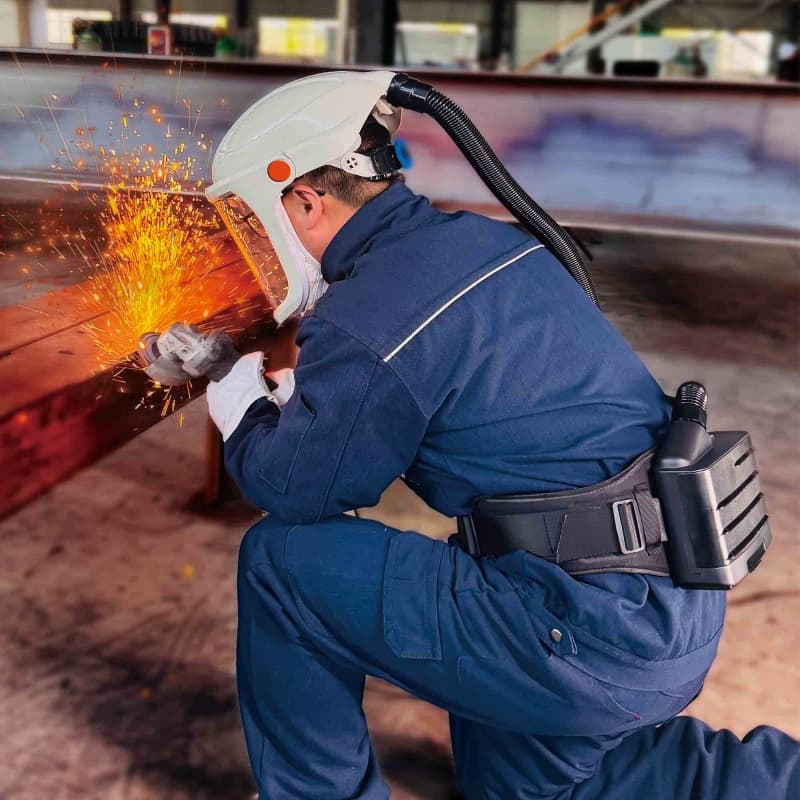
В шлифовальных операциях, PAPR (электроприводной воздухоочистительный респиратор) обеспечивает эффективную защиту органов дыхания путем решения проблемы высокой концентрации пыли, мусора и потенциально опасных частиц. Вот основные решения:- Целенаправленная фильтрация частиц: В процессе шлифования образуется большое количество мелкой пыли (например, частиц металла, дерева или камня) и аэрозолей. В PAPR используются высокоэффективные фильтры. Фильтр HEPA TH3 для улавливания этих частиц. Положительное давление в системе предотвращает попадание нефильтрованного воздуха в маску, обеспечивая пользователю возможность дышать чистым воздухом.- Адаптация к суровым условиям окружающей среды: Шлифовка часто сопровождается высоким содержанием пыли и может сопровождаться вибрацией или движением. Прочная конструкция PAPR (например, прочные фильтры и герметичные маски) предотвращает засорение и сохраняет эффективность. Регулируемый расход воздуха (обычно 100–250 л/мин) компенсирует повышенное сопротивление фильтра по мере накопления пыли, обеспечивая постоянную защиту.- Комфорт при длительном использовании: Шлифовка часто занимает много времени, и лёгкая, эргономичная конструкция PAPR (например, с креплением на поясе или на заплечных вентиляторах) снижает нагрузку на шею и плечи. Постоянный поток воздуха минимизирует накопление тепла и влаги внутри маски, повышая комфорт во время длительных смен.- Интеграция с рабочим оборудованием: СИЗОД можно комбинировать с нашими защитными шлемами для шлифовки, обеспечивая комбинированную защиту органов дыхания и лица. Такая интеграция обеспечивает свободу движений и надежную защиту от пыли.- Упрощенное обслуживание: Многие модели PAPR оснащены индикаторами замены фильтров, предупреждающими пользователя о засорении фильтров (из-за повышенного сопротивления). Это обеспечивает своевременную замену, поддерживая оптимальный воздушный поток и эффективность защиты в условиях шлифования, где пыль быстро скапливается.
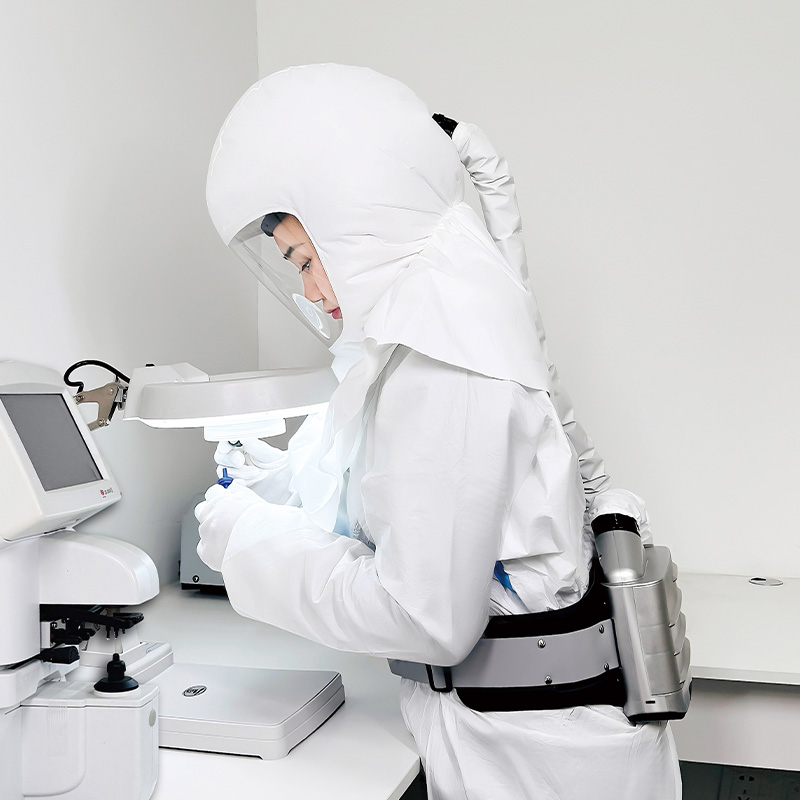
Система принудительной очистки воздуха (PAPR) BXH-3001-4 с нетканым капюшономОн обеспечит критически важную защиту органов дыхания в медицинских учреждениях с помощью следующих решений:- Улучшенная защита органов дыхания: PAPR используют работающий от батареи вентилятор, который протягивает воздух через фильтры (например, HEPA, эквивалент N95) и подает чистый воздух под положительным давлением в зону дыхания пользователя, снижая воздействие находящихся в воздухе патогенов (например, вирусов, бактерий), аэрозолей и опасных частиц во время высокорисковых процедур, таких как интубация или операции, сопровождающиеся образованием аэрозолей.- Комфорт и соответствие: Конструкция с положительным давлением минимизирует сопротивление дыханию, делая длительное ношение более комфортным для медицинских работников. Это способствует соблюдению протоколов инфекционного контроля, особенно во время продолжительных смен.- Универсальность в условиях повышенного риска: Подходит для различных клинических ситуаций, включая изоляторы, отделения неотложной помощи и хирургические кабинеты, где необходима защита как от известных, так и от возникающих угроз, передающихся воздушно-капельным путем.- Уменьшение запотевания и коммуникационных барьеров: Многие модели респираторов с принудительной подачей воздуха оснащены прозрачными лицевыми щитками или капюшонами, которые уменьшают запотевание линз и улучшают обзор. Они также часто оснащены встроенными средствами связи, что способствует более эффективному взаимодействию между медицинскими работниками и пациентами.- Возможность повторного использования при условии надлежащей дезактивации: Разработанные для многократного использования в сочетании с соответствующими протоколами очистки и дезинфекции, респираторы PAPR представляют собой экономически эффективную альтернативу одноразовым респираторам в условиях ограниченных ресурсов.
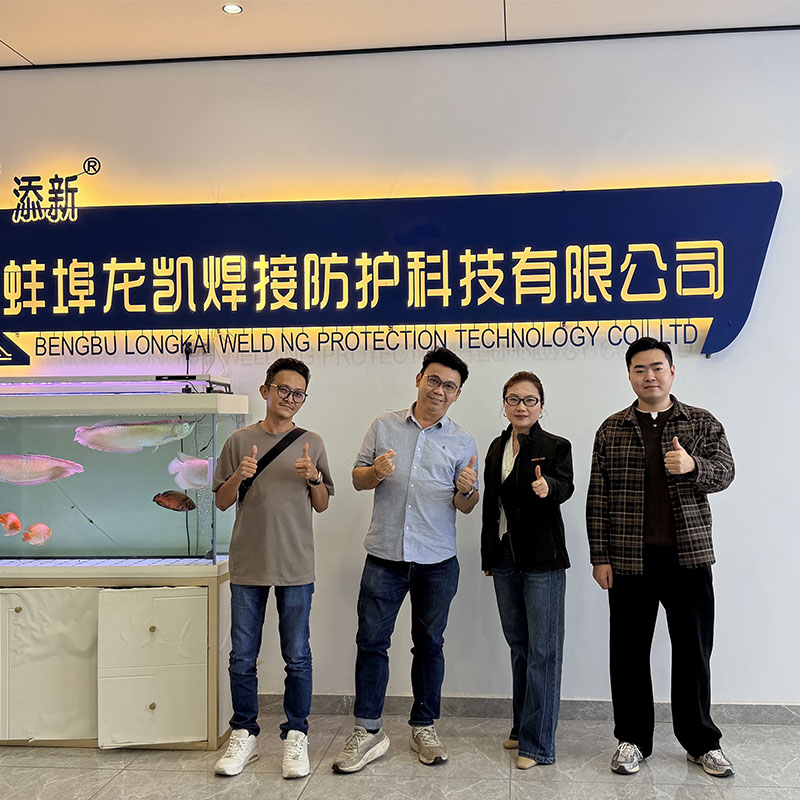
Пока команда NEW AIR посещала выставку FABTECH в США, чтобы расширить свое присутствие в Северной Америке, на заводе компании в США побывал важный зарубежный гость. Клиент из Малайзии посетил NEW AIR. Обе стороны провели углубленные деловые переговоры, посвященные бренду. сварочная маска с избыточным давлением Мы разработали линейку продукции и изучили возможности для долгосрочного сотрудничества. Малайзийская делегация посетила предприятие NEW AIR, включая демонстрационный зал продукции и испытательные площадки. Они внимательно изучили множество объектов. оптовая продажа сварочной бумаги Были разработаны прототипы, а также проведена проверка конструкции изделия, производственных процессов, процедур контроля качества и соответствующих международных сертификатов. Клиент также лично протестировал респираторы, задавая подробные вопросы о стабильности воздушного потока, видимости под шлемом и облегченной конструкции, проявив большой интерес к предлагаемым решениям. В ходе встречи обе стороны обсудили ситуацию в местной сварочной отрасли, правила охраны труда и рыночные требования в Малайзии. Также были рассмотрены сроки выполнения заказов и возможности индивидуальной настройки. После ознакомления с системой контроля качества и производительности... НОВЫЙ ВОЗДУХ завод по производству сварочной бумагиМалайзийский клиент высоко оценил защитные свойства и комфорт при ношении продукта и выразил большую заинтересованность в сотрудничестве для вывода средств защиты органов дыхания NEW AIR на местный рынок. Обе стороны обменялись мнениями по вопросам стабильных долгосрочных поставок, местного маркетинга и внедрения новых продуктов. Было достигнуто несколько договоренностей. Благодаря развитой сети местных предприятий клиента, компания NEW AIR готова к дальнейшему расширению своего присутствия в Юго-Восточной Азии, предоставляя надежные решения в области защиты органов дыхания для сварщиков и производителей в регионе.Компания NEW AIR продвигает свою глобальную стратегию сразу по двум направлениям: взаимодействует с потенциальными клиентами из Северной Америки на выставке в США и принимает партнеров из Юго-Восточной Азии на своем заводе. Растущий интерес со стороны международных покупателей подтверждает высокое качество продукции компании и укрепляет уверенность в дальнейшем глобальном расширении. Компания NEW AIR специализируется на исследованиях и разработках, производстве и продаже средств защиты органов дыхания для промышленного применения, основной линейкой продукции являются системы PAPR (перфорированные респираторы с принудительной подачей воздуха). Компания придерживается строгих стандартов качества и разрабатывает индивидуальные решения для защиты в различных условиях труда по всему миру. В дальнейшем NEW AIR продолжит инвестировать в развитие глобального рынка, укрепляя свое присутствие в Северной Америке, Юго-Восточной Азии и за ее пределами, а также обеспечивая защиту здоровья работников промышленных предприятий на передовой линии с помощью надежных средств защиты. Для получения дополнительной информации, пожалуйста, перейдите по ссылке. www.newairsafety.com.
ЧИТАТЬ ДАЛЕЕ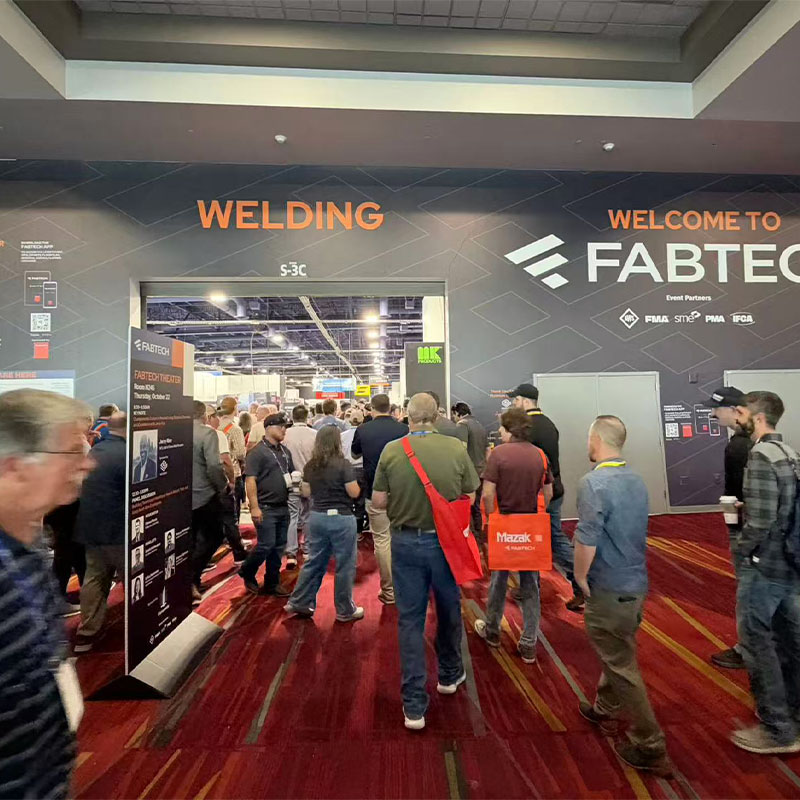
FABTECH, ведущая североамериканская выставка металлообработки, изготовления, сварки и отделки, недавно открыла свои двери в Лас-Вегасе. Как одно из самых ожидаемых отраслевых событий года, выставочный зал был переполнен посетителями. Специалисты по производству, менеджеры по закупкам и технические эксперты со всего мира собрались, чтобы ознакомиться с передовыми инновациями, создав оживленную атмосферу для налаживания деловых контактов и обмена опытом в отрасли. На выставке FABTECH в этом году компания NEW AIR представила свою линейку из трех моделей. производитель промышленной папье-маше КитайРазработанные специально для сварки, шлифовки и других тяжелых промышленных работ, три модели отличаются дизайном, позволяющим удовлетворить разнообразные потребности на рабочих местах. Сочетая надежную защиту, комфорт при ношении в течение всего дня и практичную функциональность, эти изделия быстро привлекли внимание посетителей стенда. Непрерывный поток посетителей останавливался у стенда NEW AIR, чтобы осмотреть и протестировать системы PAPR. Многие посетители примеряли респираторы лично, чтобы оценить эффективность воздушного потока, легкую конструкцию и четкость смотрового окна сварочной маски. Команда NEW AIR приветствовала каждого гостя, рассказывая о ключевых характеристиках продукции, включая эффективность фильтрации, время работы от батареи, регулируемый воздушный поток и технологию автоматического затемнения при сварке. Они также отвечали на вопросы о стандартах сертификации, сценариях применения и потенциальных возможностях партнерства. Покупатели из местных компаний, предоставляющих сварочные услуги, и производственных предприятий проявили большой интерес к линейке респираторов PAPR от NEW AIR. Контроль сварочных дымов является критически важной задачей для североамериканских производителей. Благодаря стабильной конструкции с избыточным давлением, респираторы PAPR от NEW AIR производство сварочной бумаги в КитаеЭффективно блокирует сварочные пары и опасные твердые частицы, соответствуя строгим требованиям охраны труда в регионе. В ходе выставки несколько потенциальных клиентов провели углубленные обсуждения с командой о будущем сотрудничестве. FABTECH служит для NEW AIR ценной международной платформой для укрепления своих позиций на североамериканском рынке. Помимо демонстрации своей продукции, бренд получил непосредственное представление о потребностях конечных пользователей и последних рыночных тенденциях. Эти наблюдения из первых рук будут использованы для постоянного совершенствования продукции и поддержки стратегии локализованного развития компании. Компания NEW AIR специализируется на исследованиях, разработках и производстве средств защиты органов дыхания для сварочных и промышленных работ, уделяя основное внимание... респиратор с подачей воздуха под избыточным давлением системы. Стремясь к безопасности, комфорту и долговечности, бренд продолжит совершенствовать свои технологии и расширять ассортимент продукции. В дальнейшем NEW AIR стремится предоставлять надежные решения для защиты органов дыхания сварщикам и промышленным рабочим по всему миру, расширять свое глобальное присутствие и сотрудничать с партнерами для обеспечения охраны труда работников, находящихся на передовой. Для получения дополнительной информации, пожалуйста, посетите сайт www.newairsafety.com.
ЧИТАТЬ ДАЛЕЕ
Компания NEW AIR официально представила своё новое многосекционное зарядное устройство для аккумуляторов. Это портативное зарядное устройство может заряжать несколько аккумуляторов одновременно. PAPR одновременно с батареями, обеспечивая более эффективное решение для управления батареями для полевых работников, техников и операторов. Разработанная с учетом практичности и надежности в качестве ключевых приоритетов, она предлагает новый вариант зарядки для рабочих сред, зависящих от перезаряжаемых батарей.Зарядное устройство имеет прочный металлический корпус с металлической ручкой сверху, что облегчает его транспортировку между рабочими площадками, мастерскими и складскими помещениями. На верхней поверхности расположены специальные отсеки для батарей, обеспечивающие надежную фиксацию аккумуляторов во время зарядки. Главным преимуществом этого нового продукта является безопасная и стабильная зарядка. Многосекционная система параллельной зарядки позволяет заряжать несколько батарей одновременно, устраняя неэффективность зарядки батарей по одной и значительно сокращая время ожидания. Это преимущество особенно ценно для команд, выполняющих длительные операции в условиях непрерывного режима работы. респираторная система PAPR Необходимо поддерживать бесперебойную работу. В каждом отсеке поддерживаются стабильные параметры зарядки для защиты батарей и продления срока их службы. Созданный для работы в сложных условиях, его прочный корпус выдерживает удары и сотрясения, часто встречающиеся в промышленности, и подходит для технического обслуживания на заводе, инспекций на месте и других применений. Устройство объединяет функции зарядки нескольких батарей в одном компактном корпусе. Операторы могут загружать несколько батарей для одновременной зарядки, уменьшая количество переносимого оборудования и повышая эффективность пополнения запасов батарей на месте.При разработке ключевым фактором был пользовательский опыт. Интерфейс интуитивно понятен и требует лишь базового ознакомления для новых пользователей, не требуя длительного обучения. Он обеспечивает баланс между производительностью и мобильностью, подходит как для стационарного использования на рабочих местах, так и для мобильного развертывания. Компания NEW AIR, специализирующаяся на производстве средств индивидуальной защиты для промышленного применения, ориентируется на реальные потребности конечных пользователей и стремится к расширению своей экосистемы сопутствующих продуктов. Выпуск этого специализированного многосекционного зарядного устройства для аккумуляторов знаменует собой значительное обновление, направленное на поддержку собственного оборудования и улучшение пользовательского опыта, напрямую решая реальные проблемы, возникающие у клиентов в процессе эксплуатации. В дальнейшем NEW AIR продолжит развивать исследования и разработки, а также предоставлять сопутствующие услуги. респиратор с принудительной подачей воздуха Средства защиты и безопасности. Мы будем совершенствовать всю нашу линейку продукции, улучшая совместимость, повышая безопасность и практичность, чтобы предоставлять комплексные высококачественные решения для промышленной защиты и безопасности пользователям по всему миру. Если хотите узнать больше, пожалуйста, нажмите здесь. www.newairsafety.com.
ЧИТАТЬ ДАЛЕЕ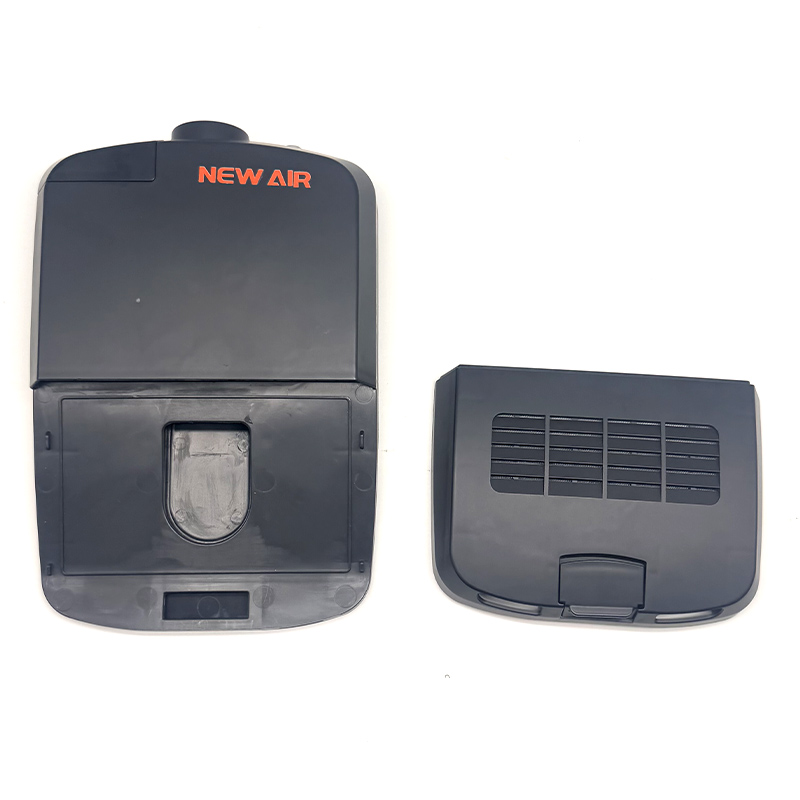
Недавно компания NEW AIR выпустила функциональное обновление для своей системы. PAPRРеспиратор с принудительной подачей воздуха (модель BXH-3003). Добавлена новая функция звукового оповещения об отсутствии фильтра, что восполняет пробелы в системах предупреждения о безопасности и обеспечивает более комплексную защиту органов дыхания для операторов, работающих в условиях высокой запыленности и концентрации твердых частиц. В условиях работы с высоким риском, таких как шлифовка, обработка металлов и работа с фармацевтической пылью, фильтрующие картриджи являются основным компонентом. устройства для очистки воздуха с электроприводомДля обеспечения эффективной защиты. В реальных условиях эксплуатации иногда возникают ситуации, когда фильтры отсутствуют или установлены неправильно. Если фильтр отсутствует, устройство может продолжать работать и подавать воздух. Однако опасные частицы с рабочего места могут проникать непосредственно в лицевую маску, что приводит к полной потере защиты. Операторы часто не могут вовремя обнаружить этот риск, создавая скрытые угрозы для здоровья на рабочем месте.Новая функция сигнализации об отсутствии фильтра в BXH-3003 работает на основе встроенных интеллектуальных датчиков для мониторинга состояния в режиме реального времени. Если фильтрующий картридж установлен неправильно или отсутствует, устройство немедленно подает звуковой сигнал, напоминая операторам о необходимости проверки фильтрующих элементов. Это предотвращает подачу воздуха в «слепую зону» без исправных фильтрующих элементов, эффективно предотвращая сбои в работе защиты, вызванные небрежной установкой фильтра, и устраняя потенциальные риски до начала работ.Модернизированная модель BXH-3003 прошла соответствующие испытания на соответствие стандартам. Она широко применяется в таких отраслях, как шлифовка металла, контроль строительной пыли, защита от фармацевтической пыли, защита от химических частиц и многих других. Эта модернизированная модель решает давнюю проблему отрасли — пренебрежение установкой фильтров. Благодаря улучшенным активным напоминаниям о безопасности, она помогает предприятиям улучшить управление средствами индивидуальной защиты на рабочем месте и снизить риски производственных травм.Компания NEW AIR специализируется на исследованиях, разработках и производстве продукции. респиратор с максимальной мощностьюОбладая глубокими знаниями в области средств индивидуальной защиты органов дыхания, компания, руководствуясь реальными проблемами, возникающими на рабочих местах, постоянно оптимизирует работу систем оповещения о безопасности и эффективность защиты. Она поставляет соответствующие стандартам, высоконадежные решения для полной защиты органов дыхания промышленным клиентам по всему миру, обеспечивая безопасность дыхательной системы работников, находящихся на передовой. Для получения дополнительной информации, пожалуйста, нажмите здесь. www.newairsafety.com.
ЧИТАТЬ ДАЛЕЕ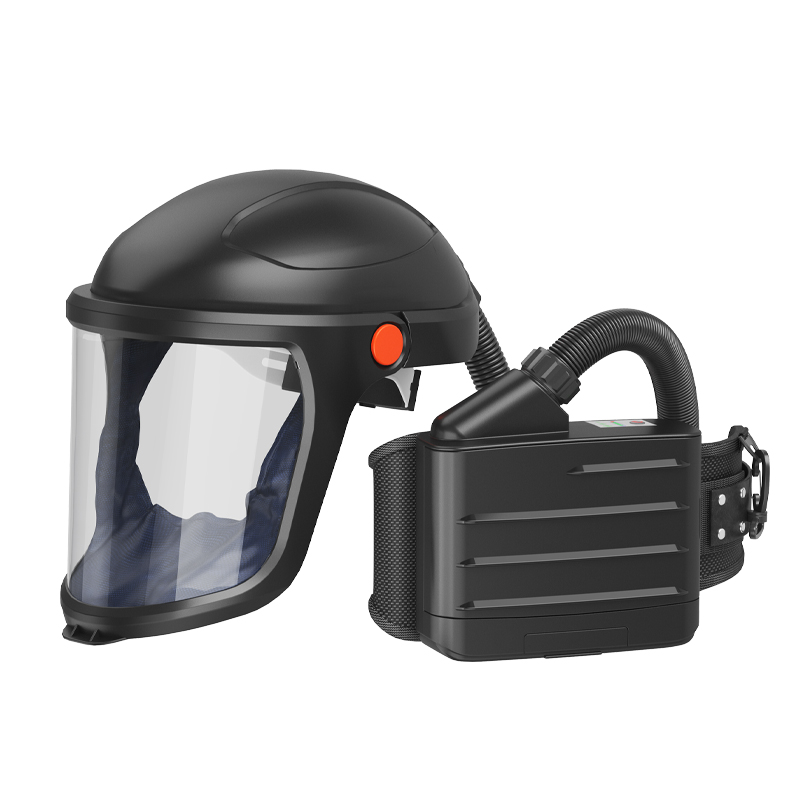
Многие покупатели и работники сварочной и шлифовальной промышленности часто путают фильтры P3 с респираторами FFP3. Оба являются высокоэффективными средствами защиты от твердых частиц в соответствии с европейскими нормами и блокируют такие опасности, как сварочный дым и пыль кристаллического диоксида кремния. Однако они подпадают под действие двух разных стандартов ЕС, существенно различающихся принципом работы, совместимым оборудованием и сценариями применения, и не могут рассматриваться как прямая замена.FFP3 соответствует стандарту EN149, регламентирующему одноразовые фильтрующие полумаски с отрицательным давлением. Дыхание осуществляется за счет собственного вдоха пользователя, который втягивает воздух через фильтрующий материал. Обеспечивается минимальная эффективность фильтрации 99% как против аэрозолей на масляной основе, так и против немасляных аэрозолей. Ключевым ограничением FFP3 является необходимость плотного прилегания к лицу. Борода или неровные контуры лица могут легко вызывать утечку воздуха внутрь. Кроме того, при длительном ношении возникает высокое сопротивление дыханию, что приводит к усталости и дискомфорту у сварщиков, поэтому маска больше подходит для кратковременного воздействия в умеренно загрязненных средах. Фильтр P3 соответствует стандарту EN143 и представляет собой сменный фильтрующий картридж. Он предназначен для многоразовых полумасок, полнолицевых масок и респираторов с принудительной подачей воздуха (PAPR). Фильтр P3 обеспечивает минимальную эффективность фильтрации 99,95%, что выше, чем у фильтра FFP3. При установке на блоки PAPRВстроенный вентилятор обеспечивает принудительный поток воздуха и поддерживает постоянное положительное давление внутри шлема. Идеальное плотное прилегание к лицу больше не является обязательным, даже при использовании неплотно прилегающих сварочных шлемов. Это значительно снижает нагрузку на дыхание, что идеально подходит для сварщиков, работающих длительные непрерывные смены. Они также значительно различаются по присвоенному коэффициенту защиты, сроку службы и эксплуатационным расходам. Стандартные маски FFP3 являются одноразовыми и выбрасываются после заполнения загрязняющими веществами, при этом типичный присвоенный коэффициент защиты (APF) составляет 20. Фильтрующие картриджи P3 представляют собой сменные расходные материалы, используемые в паре с многоразовыми фильтрами. устройство papr основной блок. При использовании с герметичной верхней частью они обеспечивают гораздо больший запас защиты в условиях высокого риска, связанных с сильными сварочными испарениями или канцерогенной пылью, часто обеспечивая лучшую долгосрочную выгоду. Выбор материала должен основываться на оценке опасности на объекте. FFP3 — это облегченный вариант для кратковременного воздействия пыли с низким уровнем загрязнения. Для сварки, пескоструйной обработки, длительной шлифовки и других работ с высоким содержанием пыли подойдет другой материал. Респиратор для подачи свежего воздуха с питанием от батареи Система, оснащенная фильтром P3, пользуется широким предпочтением. Она обеспечивает баланс между надежной защитой, комфортом пользователя и возможностью использования в течение всего дня, и является предпочтительным выбором для программ охраны труда на многих зарубежных производственных предприятиях. Компания NEW AIR специализируется на респираторах с принудительной подачей воздуха (PAPR). Наши системы PAPR оснащены фильтрами P3, сертифицированными по стандарту EN143, специально разработанными для защиты от сварочных дымов, с оптимизированной пылеудерживающей способностью и низким сопротивлением воздушному потоку. Мы постоянно совершенствуем нашу продукцию, чтобы соответствовать региональным стандартам охраны труда во всем мире, обеспечивая надежную защиту органов дыхания с избыточным давлением и оберегая здоровье дыхательной системы сварщиков, работающих на передовой. Для получения дополнительной информации, пожалуйста, нажмите здесь. www.newairsafety.com.
ЧИТАТЬ ДАЛЕЕ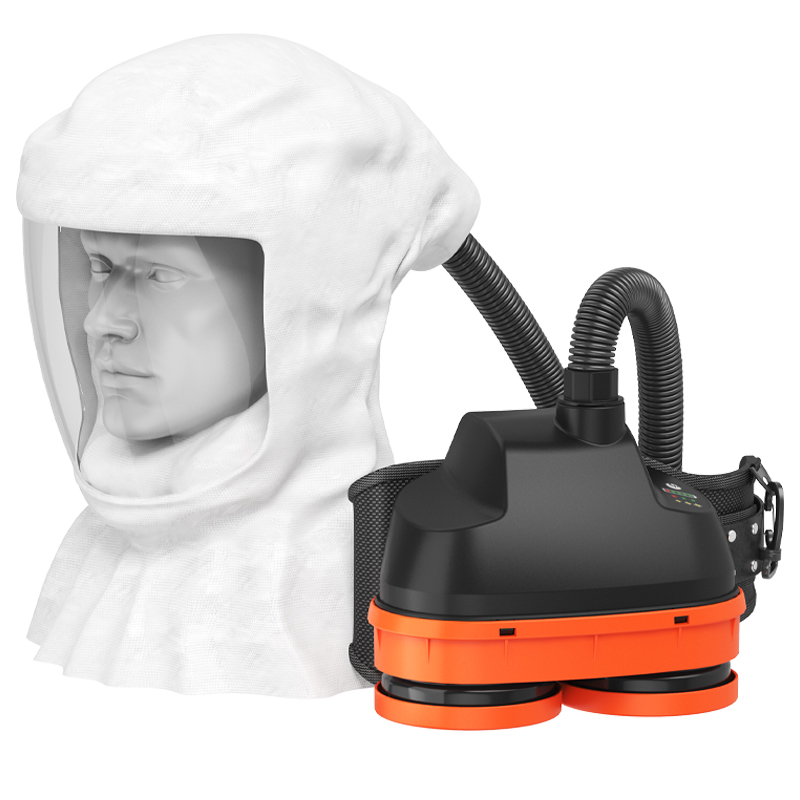
При промышленной шлифовке, нанесении покрытий, работе в замкнутых пространствах и других областях применения средства защиты органов дыхания имеют жизненно важное значение для обеспечения здоровья работников. Многие специалисты по технике безопасности путают понятия... система папр Респираторы с принудительной подачей воздуха (Powered Air-Purifying Respirators) и респираторы с подачей воздуха (Supply-Air Respirators) также различаются. Хотя оба типа респираторов подают чистый воздух к лицевой части, они существенно отличаются по принципам работы и пределам защиты. Понимание этих различий помогает выбрать подходящее оборудование в соответствии с условиями на объекте и предотвратить риски для безопасности, вызванные неправильным выбором.Респиратор с принудительной подачей воздуха (PAPR) использует вентилятор с батарейным питанием для забора окружающего воздуха. Воздух проходит через фильтрующие картриджи, удаляющие пыль, пары, органические вещества и другие загрязнения, прежде чем чистый воздух подается в лицевую часть или капюшон. Ключевое условие: на рабочем месте должно быть достаточно кислорода. Пока уровень кислорода в норме, а фильтры и батареи находятся в исправном состоянии, респиратор может работать непрерывно. Большинство PAPRs Благодаря компактной конструкции, позволяющей носить устройство на поясе и не требующей соединительного воздушного шланга, работники получают большую свободу движений. Идеально подходит для длительной непрерывной работы. Респираторы с подачей воздуха (SAR) — это респираторы, подающие воздух в атмосферу. Вместо фильтрации окружающего воздуха они подают чистый воздух к лицевой части через длинный подающий шланг, соединенный с независимым источником чистого воздуха, например, с воздушным компрессором. Респираторы SAR можно использовать в условиях достаточного содержания кислорода. Некоторые модели, оснащенные аварийным баллоном, обеспечивают возможность эвакуации. Основным ограничением является подающий шланг: рабочий диапазон ограничен длиной шланга. Шланг также подвержен риску порезов и запутывания.Ключевые критерии выбора — это возможности защиты и применимость в различных сценариях. комплект системы PAPR Используется с фильтрующими картриджами. Он способен блокировать только твердые частицы и определенные пары в пределах установленных концентраций. Его НЕЛЬЗЯ использовать в условиях дефицита кислорода или в атмосферах, представляющих непосредственную опасность для жизни и здоровья (IDLH). Типичные области применения включают сварочные пары, шлифовку, покраску распылением и дезинфекцию лабораторий. Система SAR получает чистый воздух из внешнего источника, поэтому ее эффективность не ограничена концентрацией загрязняющих веществ (при условии стабильной подачи воздуха). Она подходит для задач с высокой степенью загрязнения, таких как нанесение покрытий на внутренние поверхности больших резервуаров и очистка замкнутых емкостей. Система SAR сама по себе не может использоваться в средах, представляющих непосредственную опасность для жизни и здоровья (IDLH), если не оборудована резервным баллоном со сжатым воздухом. Обе системы также имеют существенные преимущества в плане стоимости обслуживания и простоты эксплуатации. PAPR не требует внешнего источника воздуха и готова к использованию сразу после включения питания. Плановое техническое обслуживание в основном включает замену фильтров и зарядку аккумулятора. Она портативна и быстро развертывается. Для SAR требуются вспомогательные воздушные компрессоры и трубопроводы, что требует более длительного времени на установку. Операторы должны регулярно проверять герметичность шлангов и качество источника воздуха. Вся система занимает больше места. PAPR обеспечивает большую гибкость при частой смене рабочих мест, в то время как SAR лучше подходит для стационарных станций с длительными задачами, связанными с высоким уровнем загрязнения. Компания NEW AIR специализируется на исследованиях, разработке и производстве респираторов с принудительной подачей воздуха (PAPR), уделяя особое внимание промышленной защите органов дыхания. Бренд решает реальные проблемы работников передовой линии и выпускает линейку легких респираторов PAPR для шлифовки, сварки, покраски распылением и других промышленных применений. NEW AIR постоянно оптимизирует свою продукцию, предоставляя надежные решения по защите органов дыхания для глобальных промышленных клиентов и помогая предприятиям создавать комплексные системы защиты органов дыхания для работников. Для получения дополнительной информации, пожалуйста, перейдите по ссылке. www.newairsafety.com.
ЧИТАТЬ ДАЛЕЕ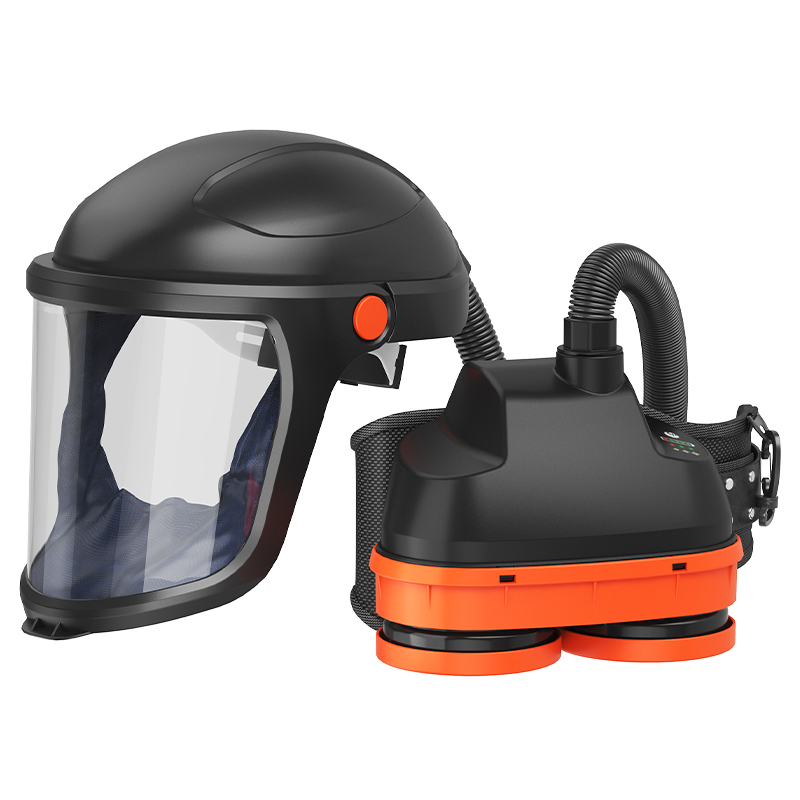
В условиях повышенного риска, таких как производственные процессы, пожаротушение и дезинфекция, средства защиты органов дыхания имеют решающее значение для обеспечения безопасности жизни работников. респиратор с защитным лицевым щитком Респираторы с принудительной подачей воздуха (PAPR) и автономные дыхательные аппараты (SCBA) — два наиболее широко используемых средства профессиональной защиты. Многие специалисты в этой области склонны путать сценарии их применения и возможности защиты. На самом деле, они значительно различаются по принципам работы, уровням защиты и условиям эксплуатации. Четкое понимание этих различий помогает компаниям и работникам выбирать правильное оборудование, обеспечивая безопасность, повышая эффективность работы и контролируя затраты на защиту.Основное различие между респираторами с принудительной подачей воздуха (PAPR) и дыхательными аппаратами со сжатым воздухом (SCBA) заключается в принципах их работы и способах подачи воздуха. Респиратор с принудительной подачей воздуха Это респиратор с фильтрацией воздуха. Встроенный электрический вентилятор активно забирает окружающий воздух и фильтрует загрязняющие вещества, такие как пыль, органические пары и аэрозоли, через многослойные фильтрующие картриджи, а затем подает чистый воздух на лицевую часть или капюшон. Он полностью зависит от окружающей атмосферы. В отличие от него, респиратор с подачей воздуха из баллона (SCBA) подает воздух из атмосферы. Он не зависит от наружного воздуха. Чистый воздух для дыхания подается из баллона со сжатым воздухом высокого давления, который носится на спине. Пользователь дышит воздухом из автономного баллона, полностью изолированного от загрязненного окружающего воздуха. Эффективность защиты и подходящие области применения являются основными критериями выбора оборудования. Сжатый воздух без баллона (SCBA) обеспечивает высочайший уровень защиты, значительно превосходящий уровень респиратора с принудительной подачей воздуха (PAPR). Он может использоваться в атмосферах, представляющих непосредственную опасность для жизни и здоровья (IDLH), в условиях дефицита кислорода, при утечках токсичных газов высокой концентрации и в неизвестных опасных условиях воздуха. Это стандартное оборудование для пожаротушения, ликвидации химических разливов и спасения в замкнутых пространствах. Однако его ограничением является объем баллона. Типичные баллоны обеспечивают работу только в течение 30–90 минут, что делает его непригодным для длительной непрерывной работы. PAPR обеспечивает умеренную защиту и используется только при достаточном уровне кислорода в окружающей среде и контролируемой концентрации загрязняющих веществ. Типичные области применения включают промышленную шлифовку, покраску распылением, сварку и плановую дезинфекцию. Хотя он не может справиться с аварийными ситуациями, связанными с недостатком кислорода или высокой токсичностью, он позволяет работать длительное время, пока батарея остается заряженной и фильтры целы. Что касается комфорта пользователя, веса оборудования и эксплуатационных расходов, эти два устройства также демонстрируют очевидные различия. Сжатый воздух без баллона (SCBA) оснащен баллоном высокого давления и компонентами, снижающими давление, что делает его громоздким и тяжелым. Конструкция рюкзака ограничивает движения тела, и пользователи быстро устают после длительного ношения. Заправка баллона, ежегодные проверки и техническое обслуживание также приводят к высоким эксплуатационным расходам, а процедуры эксплуатации относительно сложны. Респиратор с принудительной подачей воздуха (PAPR) имеет легкую модульную конструкцию, в основном доступную в поясном или узком рюкзачном исполнении. Принудительная циркуляция воздуха обеспечивает вентиляцию капюшона и снижает накопление тепла, уменьшая утомляемость оператора. Нет необходимости в заправке воздухом; пользователям нужно лишь периодически заменять фильтры. Простота обслуживания и низкие текущие расходы делают его идеальным выбором. ПАПР Идеально подходит для регулярной, длительной работы на производстве.В целом, респираторы с принудительной подачей воздуха (PAPR) и дыхательные аппараты со сжатым воздухом (SCBA) не являются взаимозаменяемыми. Напротив, они дополняют друг друга, удовлетворяя различным требованиям защиты. Простое эмпирическое правило: SCBA необходимо использовать при проведении аварийно-спасательных операций высокого риска, в условиях дефицита кислорода и при неизвестных опасностях, чтобы гарантировать абсолютную безопасность. PAPR предпочтительнее при регулярном воздействии промышленной пыли и паров, когда требуется длительная непрерывная работа, обеспечивая баланс между защитой и практичностью. Большинство предприятий включают оба типа оборудования в свою систему безопасности, создавая полную систему защиты органов дыхания, охватывающую повседневную деятельность и реагирование на чрезвычайные ситуации, для снижения рисков на рабочем месте. NEW AIR — это профессиональный бренд средств защиты, специализирующийся на исследованиях, разработке и производстве решений для защиты органов дыхания с принудительной подачей воздуха (PAPR). Бренд решает распространенные проблемы промышленной защиты органов дыхания, предлагая линейку легких, хорошо адаптированных респираторов с принудительной подачей воздуха. Основные модели, включая BXH-3001, BXH-3002 и BXH-3003, имеют модульную структуру фильтра, которая защищает пользователей от промышленной пыли, сварочных дымов, органических паров краски и других загрязняющих веществ. Благодаря надежной конструкции и качеству продукции, компания предлагает экономически эффективные профессиональные решения для защиты органов дыхания на промышленных предприятиях и является надежным выбором для регулярной защиты органов дыхания на производстве. Для получения дополнительной информации, пожалуйста, нажмите здесь. www.newairsafety.com.
ЧИТАТЬ ДАЛЕЕ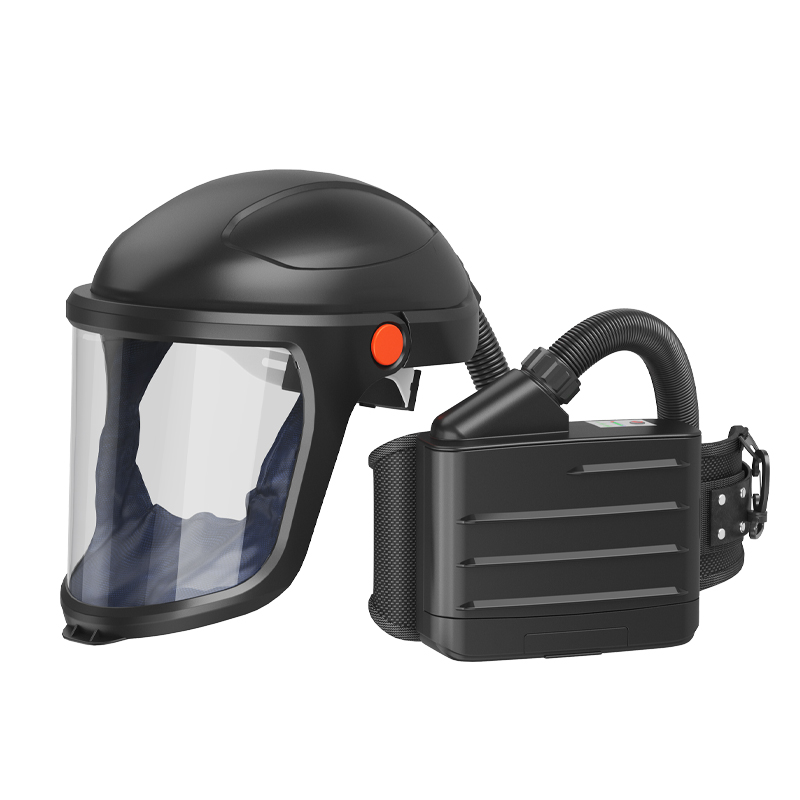
При выборе, тестировании и развертывании Система принудительной подачи воздуха в дыхательный аппарат В системах PAPR параметры NPF и APF — два часто встречающихся параметра, которые нередко путают. Многие специалисты задаются вопросом, почему авторитетные стандарты для систем PAPR, такие как EN12941, предусматривают тестирование производительности, но не включают APF. Основная причина заключается в том, что NPF — это лабораторный показатель производительности изделия, в то время как APF — это практический параметр защиты, ориентированный на полевые условия. Они различаются по определению, условиям тестирования и назначению, и понимание обоих параметров имеет важное значение для обеспечения соответствия требованиям при использовании систем PAPR.Во-первых, NPF (номинальный коэффициент защиты) — это лабораторный показатель для сертификации продукции по стандарту EN12941. Когда производители предоставляют... Комплекты систем PAPR Для проведения испытаний вся сборка оценивается в контролируемых лабораторных условиях для измерения общего внутреннего утечки (TIL), на основе которого рассчитывается значение NPF. Это также определяет класс защиты изделия: TH1, TH2 или TH3. Испытания проводятся в строго контролируемых условиях с использованием определенных испытуемых, с заданными параметрами воздушного потока и процедурами установки. Значение NPF определяет максимально достижимую степень защиты самого оборудования и служит ключевым основанием для сертификации CE и классификации продукции. Однако оно не может отражать реальную эффективность защиты на рабочих местах. В отличие от других параметров, APF (Assigned Protection Factor) — это практический показатель для управления безопасностью на рабочем месте, используемый в основном для оценки опасностей и выбора респираторов. Как определено в руководстве EN529 по выбору, использованию и техническому обслуживанию средств защиты органов дыхания, APF описывает коэффициент снижения концентрации загрязняющих веществ, достижимый более чем в 95% полевых условий при условии надлежащей подготовки пользователей, целостности оборудования и правильного ношения респираторов. Он учитывает реальные переменные, включая изменения в чертах лица, движения тела во время работы, турбулентность окружающего воздуха и износ оборудования с течением времени. APF является эталонным показателем, который компании должны использовать для проверки пригодности респиратора с принудительной подачей воздуха (PAPR) для заданной концентрации загрязняющих веществ. Основное различие сводится к идеальному пределу производительности по сравнению с реальным базовым уровнем безопасности. NPF представляет собой теоретическую пиковую защиту, достигаемую в оптимальных лабораторных условиях. Например, сертифицированный по стандарту EN12941 класс TH3. респиратор с положительным потоком воздуха В лабораторных условиях обеспечивается показатель NPF 500, однако такой уровень производительности вряд ли удастся воспроизвести в загруженных мастерских или на строительных площадках. Показатель APF — это консервативное значение безопасности, полученное на основе обширного полевого опыта. Он не учитывает все потенциальные неопределенности в реальных условиях и всегда ниже, чем NPF. Это предотвращает чрезмерную зависимость от теоретических уровней защиты и снижает риски для безопасности, защищая здоровье работников.В промышленной практике их роли четко разделены. В ходе исследований и разработок, испытаний продукции и сертификационных проверок общепринятыми критериями качества продукции являются классификация NPF и TH. При проведении компаниями оценки рисков на объекте, подборе респираторов в соответствии с опасностями на рабочем месте и разработке планов защиты необходимо использовать APF. Соответствие подтверждается сравнением APF с фактором опасности на рабочем месте. Вкратце: NPF определяет верхний предел характеристик продукта для сертификации и классификации; APF устанавливает минимальные безопасные параметры для эксплуатации в полевых условиях. Оба показателя необходимы и дополняют друг друга. Компания NEW AIR обладает многолетним опытом в области исследований и разработок, производства и обеспечения соответствия стандартам средств защиты органов дыхания. Мы полностью понимаем стандартную логику и практические различия между NPF и APF. Все наши респираторы с принудительной подачей воздуха (PAPR) проходят типовые испытания в соответствии со стандартом EN12941, что гарантирует подтвержденные показатели NPF и надежную работу оборудования. Мы производим профессиональные и надежные средства защиты органов дыхания для промышленных рабочих во всех областях применения. Если вы хотите узнать больше, пожалуйста, нажмите здесь. www.newairsafety.com.
ЧИТАТЬ ДАЛЕЕ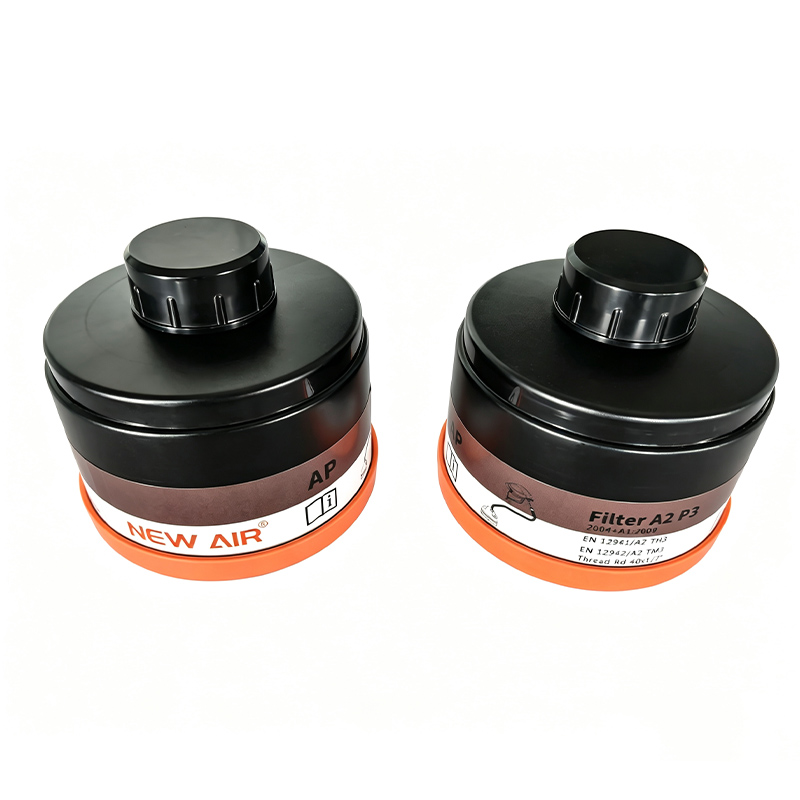
Рабочие, занимающиеся покраской распылением, нанесением клея и химической обработкой, подвергаются воздействию двух основных опасностей для дыхательных путей: вредных органических паров и мелкодисперсных частиц, находящихся в воздухе. Стандартные противопылевые фильтры улавливают только пыль и аэрозоли, но не могут блокировать пары токсичных растворителей. Новый комбинированный фильтрующий картридж AIR A2P3 является подходящим фильтром для BXH-3002. Респиратор с принудительной подачей воздуха (PAPR). Специально разработан для распыления, обеспечивает двойную защиту от органических паров и твердых частиц.Класс защиты A2 обеспечивает защиту от органических паров с температурой кипения выше 65°C, таких как растворители для красок, разбавители и пары, выделяемые клеями. Фильтрующий слой P3 улавливает твердые и жидкие аэрозоли, включая красящий туман, пыль от шлифовки и дым. При установке на BXH‑3002 респиратор для очистки воздухаКартридж A2P3 сначала адсорбирует органические газы с помощью слоя активированного угля, а затем улавливает мельчайшие капли и частицы с помощью высокоэффективного фильтрующего материала. Эта двухступенчатая очистка непрерывно подает чистый поток воздуха в защитный щиток, обеспечивая надежную защиту органов дыхания для операторов, занимающихся распылением. Фильтрующий картридж A2P3 является основным элементом респиратора BXH-3002 при использовании для распыления красок на основе растворителей. В цехах покраски в воздухе присутствует красочный туман, а также испаряющиеся пары растворителя. Использование в таких условиях отдельного противопылевого фильтра P3 создает значительные риски для безопасности, поскольку он не может удалять пары растворителя. Респиратор BXH-3002, оснащенный фильтром A2P3, обеспечивает защиту как от красочного тумана, так и от органических паров. Он широко используется при покраске автомобилей, покраске мебели и других операциях по нанесению покрытий с использованием растворителей. Несмотря на высокую эффективность фильтрации, пользователям необходимо понимать его ограничения. Фильтр A2P3 для BXH‑3002 защищает только от органических паров. Он НЕ защищает от кислых газов, аммиака или других неорганических токсичных газов. Не рекомендуется использовать его для распыления двухкомпонентных полиуретановых красок, содержащих изоцианаты, которые требуют более высокого уровня защиты органов дыхания. Срок службы фильтрующего картриджа зависит от концентрации химических веществ на рабочем месте, влажности и продолжительности работы. Регулярная замена обязательна.Отличная совместимость — еще одно преимущество системы BXH-3002. Фильтрующий картридж A2P3 имеет стандартное резьбовое соединение. Его можно быстро установить на основной блок BXH-3002 или заменить на противопылевой фильтр P3 по мере необходимости. Операторы могут легко менять типы фильтров: использовать фильтр P3 для сварки и шлифовки, а затем установить комбинированный картридж A2P3 для нанесения покрытий. Нет необходимости заменять весь респиратор. Один основной блок адаптируется к различным рабочим сценариям, снижая затраты на оборудование и повышая производительность цеха. Компания NEW AIR специализируется на разработке надежных решений для защиты органов дыхания. В паре с оригинальным фильтрующим картриджем A2P3, BXH‑3002 респиратор с принудительной подачей воздуха свободного прилегания Изготовлено и протестировано в соответствии с соответствующими стандартами EN, обеспечивая стабильную двойную защиту от газов и твердых частиц для покрасочных камер. Мы поставляем полную систему респираторов с принудительной подачей воздуха BXH-3002, сменные фильтрующие картриджи и сопутствующие аксессуары для удовлетворения разнообразных потребностей сварочной, шлифовальной и лакокрасочной промышленности. Каждый продукт разработан для обеспечения безопасности органов дыхания работников в суровых условиях цеха. Если вы хотите узнать больше, пожалуйста, нажмите здесь. www.newairsafety.com.
ЧИТАТЬ ДАЛЕЕ
Респиратор с принудительной подачей воздуха (PAPR) использует встроенный вентилятор для подачи отфильтрованного чистого воздуха в головной убор или лицевую маску. Это важнейший элемент средств индивидуальной защиты для рабочих сред с промышленной пылью и опасными твердыми частицами. Многие пользователи считают, что защита гарантирована, пока вентилятор работает нормально. Однако для систем PAPR, используемых с плотно прилегающими головными уборами, проверка на внутреннюю утечку в условиях отключения питания является неотъемлемой частью полной проверки системы.Когда очищающий респиратор В нормальных условиях воздуходувка поддерживает избыточное давление внутри головного убора. Это избыточное давление предотвращает проникновение внешних загрязнений через зазоры между лицевым уплотнением и кожей, что составляет основной защитный механизм респиратора с принудительной подачей воздуха (PAPR). Если воздуходувка неожиданно теряет питание, батарея полностью разряжается или устройство выходит из строя, это внутреннее избыточное давление мгновенно исчезает. Без постоянного потока воздуха, поддерживающего плотно прилегающий головной убор, вредные аэрозоли и пыль из окружающей среды могут проникать через уплотнительный слой. В этот момент скорость утечки воздуха напрямую определяет уровень риска воздействия для пользователя в момент отключения устройства. Распространенное заблуждение среди пользователей заключается в том, что плотно прилегающая к лицу головная часть будет работать как обычная противогазная маска с отрицательным давлением даже после выключения вентилятора. Но эти две конструкции служат принципиально разным целям. Герметизирующая структура... респираторный папиллома Плотно прилегающая головная часть разработана в первую очередь для работы с внутренним положительным давлением; она не предназначена для обеспечения герметичности, характерной для респираторов с отрицательным давлением. Когда вентилятор останавливается, дыхание пользователя создает отрицательное давление внутри головной части, затягивая загрязняющие вещества из окружающей среды в зазоры уплотнения. Без проверки на внутреннюю утечку при выключенном питании мы не можем количественно оценить, какая доля загрязняющих веществ попадет в головную часть при отказе оборудования. Внезапное отключение питания респиратора с принудительной подачей воздуха (PAPR) — не редкий случай в реальных условиях эксплуатации. Длительная работа может разрядить батареи, а ослабленная проводка или физические воздействия могут привести к внезапному отключению вентилятора. На объектах повышенного риска, таких как химические заводы, фармацевтические предприятия и цеха, где скапливается пыль тяжелых металлов, рабочие не могут немедленно эвакуироваться после отключения. Им часто требуется от нескольких секунд до десятков секунд, чтобы завершить работу и покинуть опасную зону. Испытание на утечку тока при отключении питания имитирует этот сценарий повышенного риска, оценивая, какой уровень остаточной защиты обеспечивает головной убор при отказе вентилятора, и проверяя, соответствует ли оборудование требованиям безопасности на объекте.Для обеспечения соответствия требованиям и выбора оборудования данные о внутренней утечке воздуха при отключении питания имеют важное значение для оценки рисков. Соответствующие стандарты защиты органов дыхания требуют оценки характеристик в аварийных условиях, помимо проверки защиты при нормальной подаче воздуха. Этот тест помогает сравнить герметичность различных моделей оголовьев и выявить дефекты герметизации, такие как недостаточное натяжение оголовья или деформированные лицевые уплотнения. Данные также помогают предприятиям в разработке протоколов действий в чрезвычайных ситуациях, определении максимально допустимого времени эвакуации после отключения респиратора с принудительной подачей воздуха и уточнении процедур реагирования на чрезвычайные ситуации для персонала. В итоге, респиратор с принудительной подачей воздуха Защита зависит от положительного давления, создаваемого потоком воздуха от вентилятора. Проверка на внутреннюю утечку при отключении питания, по сути, является проверкой на случай отказа защитного снаряжения. Она не оценивает работу в нормальных условиях эксплуатации; вместо этого она проверяет резервную защитную способность при отказе оборудования. Только подтвердив, что внутренняя утечка остается контролируемой при отключении питания, мы можем полностью понять истинные пределы защиты всей системы PAPR, предотвращая скрытые угрозы здоровью операторов, вызванные внезапным отказом вентилятора. Если хотите узнать больше, пожалуйста, нажмите здесь. www.newairsafety.com.
ЧИТАТЬ ДАЛЕЕ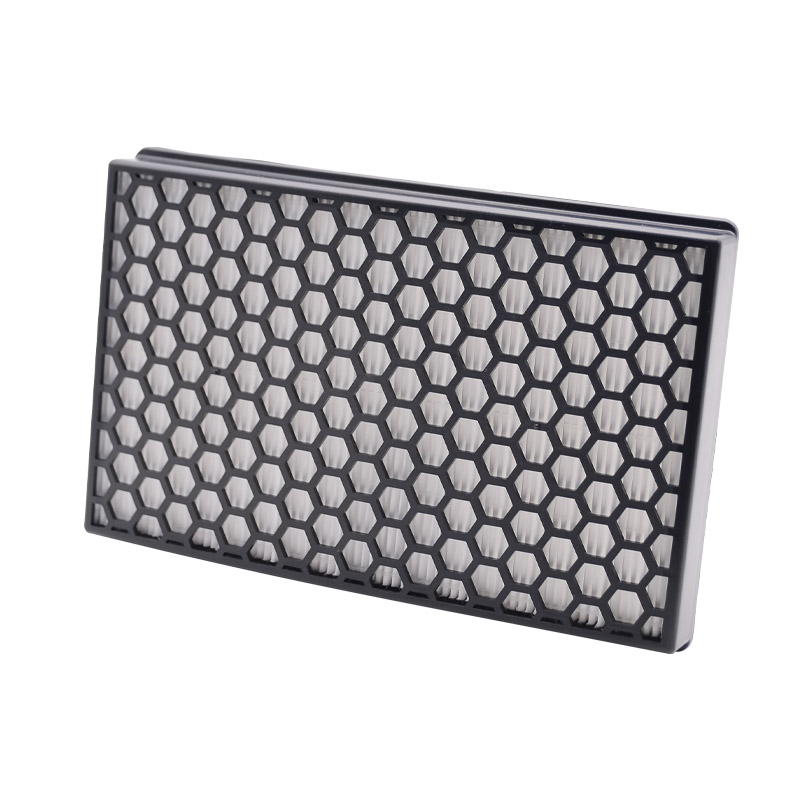
В ходе ежедневных консультаций по вопросам защиты органов дыхания на производстве мы часто получаем вопросы от клиентов: «Вы поставляете фильтры H13 или H14?» Многие покупатели и операторы на объектах часто путают классы HEPA-фильтров с защитными характеристиками PAPR. На самом деле, H13 и H14 представляют собой совершенно разные технические стандарты. респиратор с питанием от батареи Оборудование. Это не взаимозаменяемые изделия. Разъяснение их основных различий имеет важное значение для пользователей, чтобы выбрать соответствующие требованиям и условиям эксплуатации решения для защиты органов дыхания.H13 и H14 — это классы HEPA-фильтров, определенные стандартом EN 1822, который применяется к системам вентиляции и очистки воздуха, таким как чистые помещения и оборудование ОВК (отопление, вентиляция и кондиционирование воздуха). Этот стандарт оценивает эффективность улавливания частиц фильтрующими материалами в статических лабораторных условиях. Фильтры H13 достигают минимальной эффективности фильтрации 99,95%, а фильтры H14 — 99,995%. Хотя фильтрующие материалы H13/H14 обеспечивают превосходную эффективность очистки, европейский стандарт для профессиональных медицинских учреждений респираторная система PAPR Сертификация соответствует стандартам СИЗ EN12941 и EN12942, которые не используют рейтинги класса H стандарта EN1822. Промышленные респираторы с принудительной подачей воздуха (PAPR) для использования на рабочем месте должны строго соответствовать фильтрам серии P, сертифицированным по стандарту EN143. Многие клиенты задаются вопросом, можно ли использовать в респираторах с принудительной подачей воздуха (PAPR) фильтры H13 или H14. Технически говоря, фильтрующие материалы H13/H14 физически могут быть установлены в оборудование PAPR. Однако такая конфигурация не соответствует требованиям законодательства Европы для использования на рабочих местах. Испытания по стандарту EN1822 H-класса проводятся в статических, стабильных вентиляционных условиях, без имитации реальных условий работы PAPR, включая непрерывную динамическую подачу воздуха, высокую пылевую нагрузку, вибрацию оборудования и длительный износ на рабочем месте. Даже если фильтрующий материал соответствует эффективности H13 или H14, PAPR не может получить официальную сертификацию СИЗ, что делает его непригодным для использования в промышленных условиях.Это объясняет, почему в большинстве европейских респираторов с принудительной подачей воздуха (PAPR) используются фильтры P3 вместо фильтров H13/H14. Фильтры P3, являясь профессиональным стандартом фильтрации твердых частиц для средств защиты органов дыхания согласно EN143, обеспечивают минимальную эффективность фильтрации 99,95%, что эквивалентно классу H13. Что еще важнее, фильтры P3 проходят всесторонние испытания, ориентированные на условия труда, включая пылеудерживающую способность, сопротивление воздушному потоку, вибростойкость и влагостойкость. Они профессионально оптимизированы для динамического режима подачи воздуха в респираторах PAPR, обеспечивая баланс между высокой эффективностью фильтрации и стабильным воздушным потоком для поддержания постоянного положительного давления внутри лицевой части во время работы. Распространенное заблуждение в отрасли заключается в том, что более высокие классы фильтрации означают лучшую защиту. На практике фильтрующие материалы H14 обладают сверхвысокой эффективностью фильтрации, но при этом значительно увеличивают сопротивление воздуха. Прямая установка фильтров H14 в стандартные респираторы с принудительной подачей воздуха (PAPR) приведет к перегрузке вентилятора, снижению фактического выходного воздушного потока и нарушению стабильного положительного давления внутри маски. Это может привести к утечке загрязненного воздуха и снижению общей эффективности защиты. Для большинства сценариев работы с промышленной пылью, таких как шлифовка металла и работа с порошками, стандартные фильтры P3 полностью соответствуют требованиям безопасности. При выборе оборудования пользователям следует отдавать приоритет официальным сертификатам PAPR, а не слепо ориентироваться на параметры фильтров H13/H14. Компания NEW AIR специализируется на исследованиях, разработках и производстве профессиональной продукции. респиратор с избыточным давлением Средства индивидуальной защиты. Благодаря глубокому пониманию мировых рыночных стандартов и проблем, возникающих при выборе продукции клиентами, мы строго соблюдаем региональные правила в отношении СИЗ. В нашей продукции используются фильтры P3, соответствующие стандартам ЕС, для европейских рынков и соответствующие решения HEPA для регионов Северной Америки. Каждая комбинация оборудования и фильтра профессионально откалибрована для обеспечения баланса между эффективностью фильтрации, стабильностью работы и комфортом при ношении, предоставляя глобальным промышленным клиентам надежные, полностью соответствующие требованиям и ориентированные на конкретные сценарии решения для защиты органов дыхания.Если хотите узнать больше, пожалуйста, нажмите здесь. www.newairsafety.com.
ЧИТАТЬ ДАЛЕЕ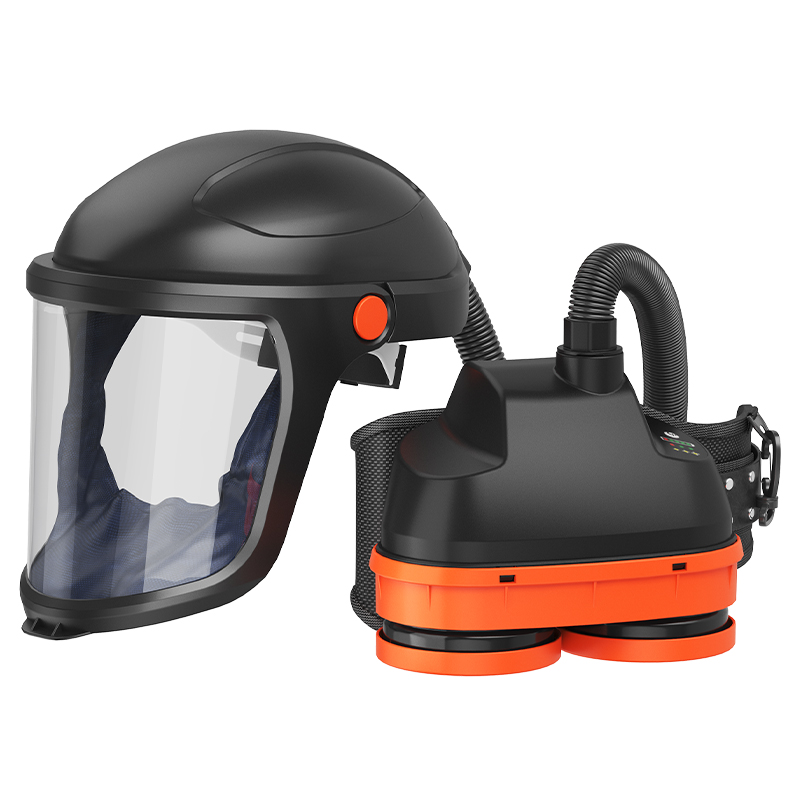
In all industrial work environments across the United States, the compliance of Powered Air-Purifying Respirators (PAPRs) is strictly regulated under federal code 42 CFR Part 84. NIOSH certification serves as the only legally recognized qualification for respiratory protection devices and is fully enforced by OSHA. Unlike flexible regional protection standards, NIOSH approval is mandatory for all workplace applications, including general industry, construction, healthcare, and manufacturing.Only officially NIOSH-listed and approved PAPRs are permitted for on-site deployment. While most EHS managers and procurement professionals understand that PAPRs require NIOSH certification, many are unfamiliar with the full range of performance and durability tests required for official approval. This article provides a detailed breakdown of the complete NIOSH testing criteria that all qualified PAPRs must pass, helping safety professionals evaluate product quality, eliminate non-compliant equipment, and maintain standardized workplace safety. Filter performance and filtration efficiency testing form the foundation of NIOSH’s PAPR grading system and represent the first critical stage of certification. Before formal testing, filter cartridges undergo standardized environmental preconditioning to simulate performance changes caused by long-term storage and humid working conditions. Two types of aerosol challenges are applied according to different hazard types: sodium chloride aerosol for solid dust environments and DOP oil aerosol for oil-based fume contaminants, which differentiates the application scope of N-series and P-series filters. Testing airflow rates are strictly defined based on papr system construction: 115 L/min for tight-fitting facepiece models and a minimum of 170 L/min for loose-fitting hood and helmet-style units. Throughout the full loading test, high-concentration particulate aerosol is continuously injected until the filter reaches saturation. Certified PAPRs must maintain stable filtration efficiency without excessive particulate penetration at any stage. As motor-driven respiratory devices, PAPRs must pass NIOSH-specific airflow performance and battery durability tests. Under 42 CFR Part 84, PAPRs must sustain airflow above the minimum rated output even as filters become fully loaded and battery voltage gradually declines. Consistent positive pressure inside the facepiece or hood is essential to prevent external contaminant ingress. Professional breathing simulators are used to monitor inhalation and exhalation resistance throughout operation. Emergency power failure scenarios are also tested to ensure residual resistance does not hinder breathing during sudden motor shutdown. Additionally, PAPRs undergo extended continuous operation and extreme temperature cycling tests to verify battery and motor stability during full-shift, 8-hour work cycles, eliminating common field risks such as airflow dropouts, low-temperature shutdowns, and high-temperature battery failure. Total inward leakage and system tightness testing are core evaluations that determine real-world protective effectiveness. NIOSH enforces distinct testing protocols for the two mainstream PAPR designs. Tight-fitting facepiece PAPRs require quantitative fit testing with human test panels and corn oil aerosol to measure particle penetration through facial seals, headband connections, and assembly gaps. Loose-fitting hood and helmet papr respirator systems are exempt from facial fit testing but must comply with strict overall inward leakage limits. Critical inspection areas include neck seals, duct connections, and hood stitching joints. All units also undergo accelerated aging through repeated donning, doffing, and hose bending cycles to simulate long-term wear and seal degradation. Any leakage exceeding the standard threshold results in test failure. Beyond core protection performance, NIOSH mandates a comprehensive set of structural durability, ergonomic, and functional tests to ensure long-term operational safety. Structural evaluations include drop resistance, repeated hose flexing, lens impact and abrasion resistance, and headband tensile strength, verifying component reliability under daily industrial wear. Ergonomic assessments are conducted with test subjects of different body types to ensure easy donning, unobstructed field of view, and comfortable long-duration wear. Additional functional tests cover operational noise levels and speech intelligibility to support effective on-site communication. For PAPRs equipped with gas cartridges, extra adsorption lifespan tests for organic vapors and acid gases are required to confirm certified service duration. Overall, NIOSH establishes a rigorous, multi-dimensional testing framework under 42 CFR Part 84, covering filter efficiency, powered airflow stability, system tightness, structural durability, and ergonomic safety. These standardized requirements define the minimum safety benchmark for all respirators entering the U.S. market. For workplace safety and procurement teams, verifying PAPRs against these official NIOSH test criteria is essential to protecting workers from particulate and aerosol hazards, avoiding OSHA penalties for non-compliant PPE, and sustaining long-term regulatory compliance at industrial facilities.If you want know more, please click www.newairsafety.com.
ЧИТАТЬ ДАЛЕЕ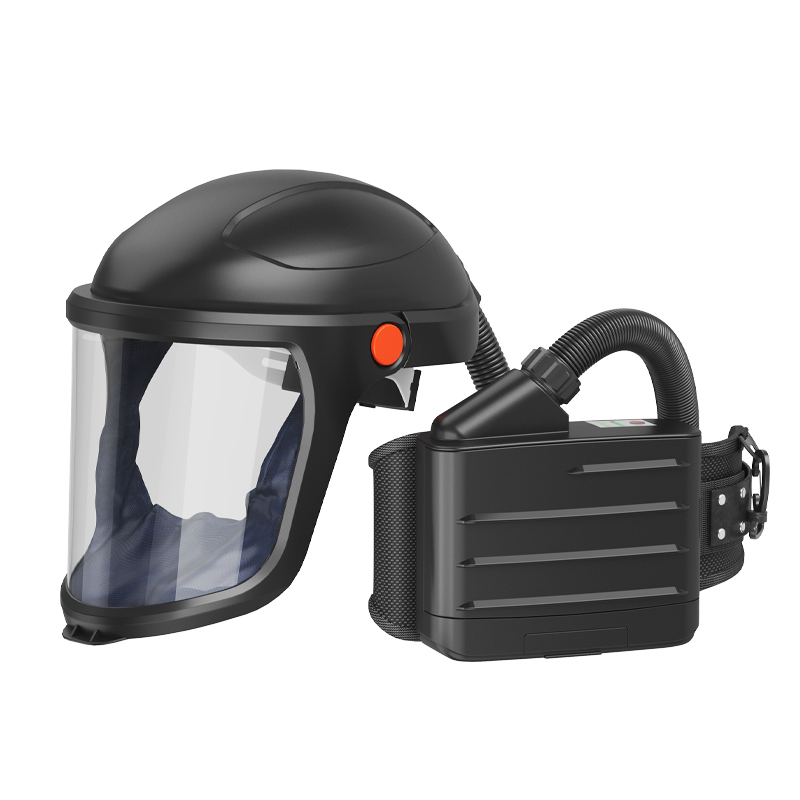
In the industrial safety system of Australia and New Zealand, the compliance of respiratory protection equipment is a core part of workplace risk prevention and control. As an official standard for respiratory protective devices jointly issued by the two regions, AS/NZS 1716:2012 serves as the statutory basis for the access, testing, and application of all respiratory protection equipment. Many practitioners are familiar with the P1, P2, and P3 classification of disposable filtering masks, yet often overlook the profound correlation between this standard and Powered Air-Purifying Respirators (PAPRs). Unlike conventional passive respirators, PAPRs adopt an electric air supply system to actively purify air and reduce breathing resistance, delivering higher protection levels and broader application scenarios. Undoubtedly, AS/NZS 1716:2012 is the authoritative specification that defines the product performance, testing criteria, and compliance thresholds of PAPRs, as well as the core guideline for the selection, acceptance, and maintenance of papr air purifier equipment in Australian and New Zealand workplaces. It is essential to clarify the core definition: AS/NZS 1716:2012 is not limited to regulating simple protective masks, but covers all categories of respiratory protection equipment including PAPRs. This standard stipulates the manufacturing requirements, performance indicators, testing methods, and certification specifications for various respiratory protective devices, applicable to all workplace scenarios involving harmful dust, aerosols, and particulate contaminants. Compared with traditional negative-pressure respirators, PAPRs feature unique electric air supply structures, enclosed designs, and continuous air delivery functions. Accordingly, the standard sets independent special testing dimensions for PAPRs, covering critical indicators such as air supply stability, filtration efficiency, overall equipment tightness, battery durability, and structural safety. It establishes a testing system completely different from that of ordinary masks, fundamentally preventing non-compliant PAPR devices from being put into workplace use. The filtration classification system constitutes the core content of AS/NZS 1716:2012 for regulating PAPR protection performance. Adopting the exclusive Australian and New Zealand three-tier particulate filtration classification of P1, P2, and P3, the standard precisely defines the filter element performance of PAPRs. The P1 grade is suitable for low-concentration dust scenarios with basic filtration efficiency requirements met. The P2 grade can filter over 94% of fine particles of 0.3 microns, covering most industrial dust, welding fume, and aerosol scenarios, making it the mainstream configuration for workplace PAPRs. As the highest protection grade, P3 features stringent requirements for filtration accuracy and sealing performance, tailored for high-pollution and high-risk operating environments. All compliant powered respirators devices must be marked with the corresponding classification on the body or packaging. Products with air supply functions but without classification certification under this standard are not recognized by the Australian and New Zealand workplace safety system. Beyond filter element filtration performance, AS/NZS 1716:2012 also stringently regulates the overall safety and operational performance of PAPRs. For the exclusive electric air supply system of PAPRs, the standard mandates stable airflow delivery to avoid insufficient air supply or airflow interruption, while imposing strict requirements on equipment airtightness, leakage prevention, and material safety. In addition, the standard differentiates the application requirements for tight-fitting and loose-fitting PAPRs, specifying that tight-fitting models must undergo professional fit testing while loose-fitting models are exempted, providing clear specifications for on-site enterprise implementation. Furthermore, the standard covers routine inspection, fault judgment, and service life thresholds for PAPRs, forming a standardized basis for daily equipment operation and maintenance. In the Australian and New Zealand workplace compliance framework, AS/NZS 1716:2012 forms a complementary closed-loop system with AS/NZS 1715:2009 to regulate the full lifecycle management of PAPRs. AS/NZS 1716 focuses on product performance and compliance certification, answering the core question of whether the equipment is qualified. In contrast, AS/NZS 1715 governs the selection, application, training, maintenance, and scrapping processes of equipment, standardizing correct operational practices. Enterprises adopting PAPRs must meet the requirements of both standards: the equipment itself shall be certified per AS/NZS 1716:2012, and its usage and maintenance procedures shall comply with AS/NZS 1715. This dual-standard system ensures the high-level protective performance of PAPRs can be fully realized, effectively reducing occupational health risks caused by dust and particulate pollutants. In summary, AS/NZS 1716:2012 is the fundamental compliance benchmark for PAPR application in Australia and New Zealand. It not only builds a dedicated performance testing and classification system for PAPRs, distinguishing high-level powered air protection from ordinary negative-pressure protection, but also clarifies the access criteria and safety thresholds for workplace PAPR deployment. For industrial enterprises, safety practitioners, and equipment suppliers, a thorough understanding of the PAPR-specific specifications in this standard helps protect workers’ occupational health, eliminate potential safety hazards, ensure compliant equipment selection, and pass workplace safety inspections smoothly. It is an essential core criterion for standardized respiratory protection management across Australia and New Zealand.If you want know more, please click www.newairsafety.com.
ЧИТАТЬ ДАЛЕЕ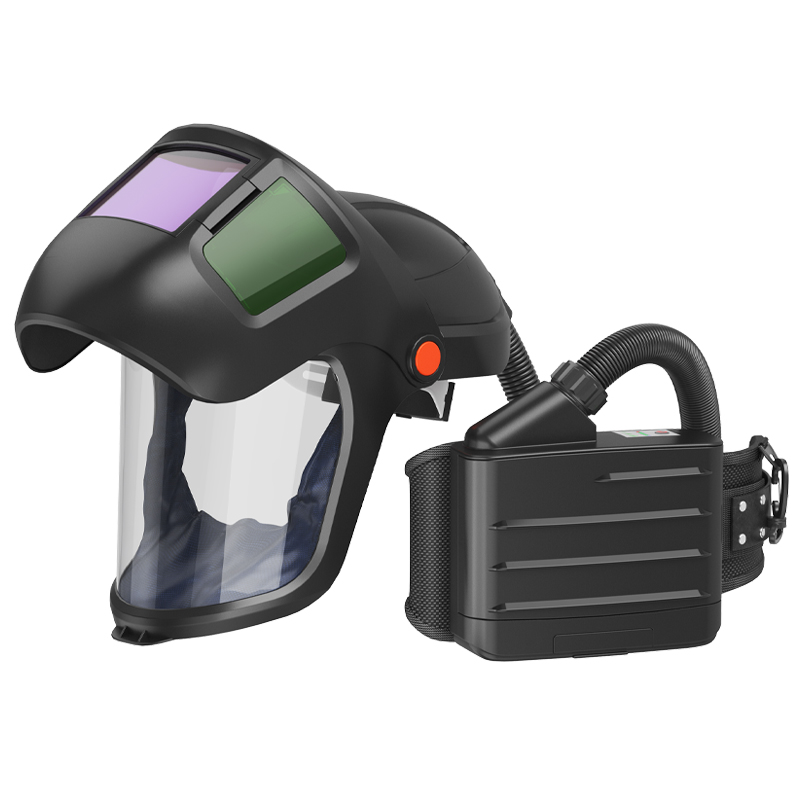
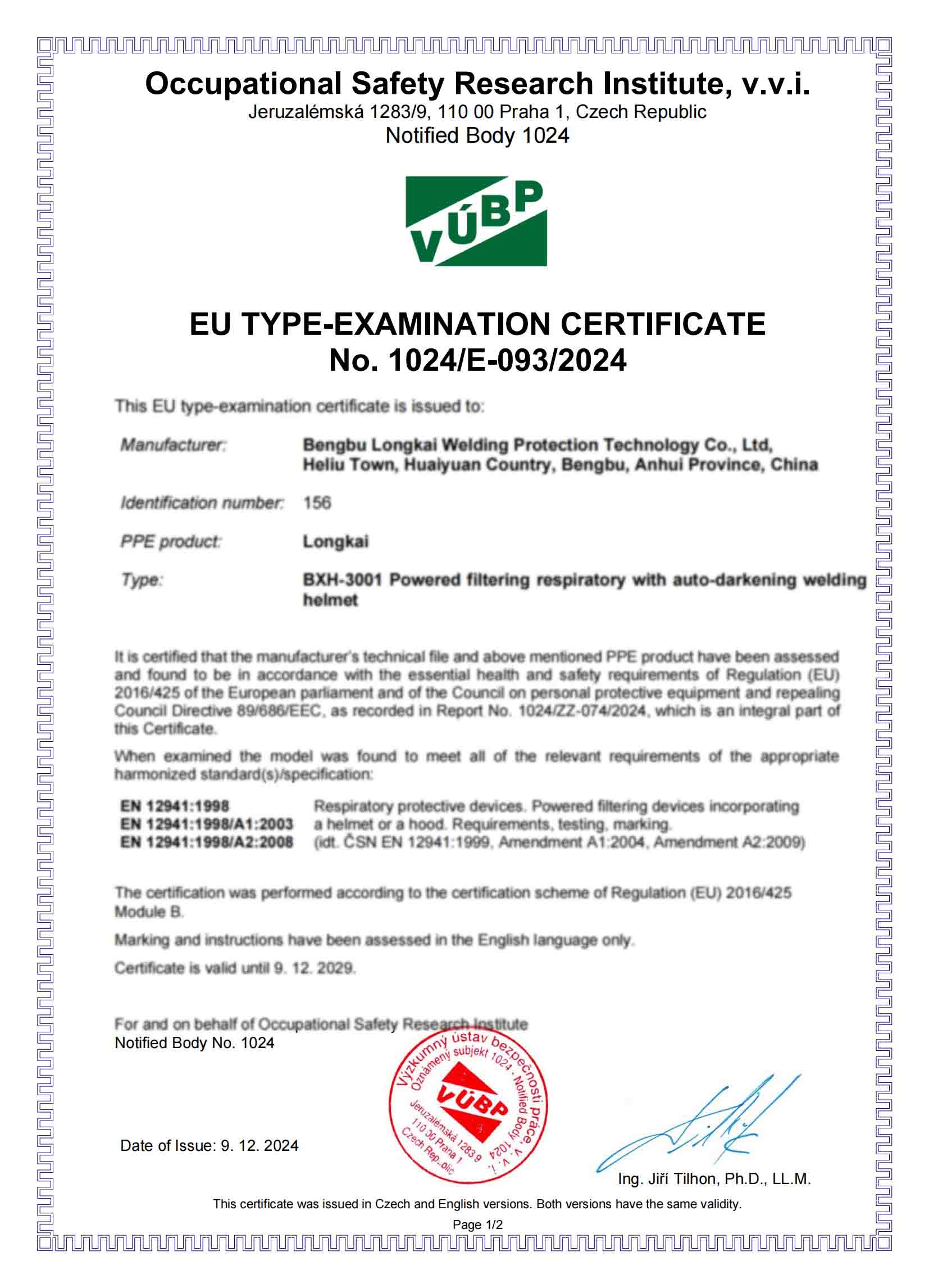
As EU PPE regulations keep tightening and the updated EN12941:2023 & EN12942:2023 standards come into full force, the compliance threshold for powered air-purifying respirators (PAPR) exported to Europe has risen significantly. There are countless notified bodies across the EU with huge gaps in certification validity and testing capacity. Many manufacturers frequently face troubles including questioned certificates, suspended annual surveillance and customs detention. As a professional manufacturer of papr air purifier protection equipment, NEW AIR sends our full product range to RILSA (Notified Body NB1024, Czech Republic) for certification consistently, without switching to other certification bodies. Our overseas customers also widely recognize CE certificates issued by NB1024. This consistent choice stems from five irreplaceable core strengths listed below. 1. Comprehensive Specialized RPD Qualifications to Prevent Certificate Invalidation Registered in the EU NANDO database, RILSA NB1024 holds full official authorization for respiratory protective devices (RPD) under Regulation (EU) 2016/425. It is fully accredited to issue certificates against both core PAPR standards EN12941 and EN12942, with no risk of out-of-scope certification. RILSA runs its own ISO 17025 accredited laboratory No.1040. All mandatory tests for best papr respirator – total inward leakage, airflow stability, filter penetration, high-low temperature durability and more – are completed in-house without outsourcing to third-party labs. All test data is complete and fully traceable. As a notified body qualified for full conformity assessment of Category III high-risk PPE, RILSA delivers Module B type examination plus Module C2 annual surveillance as a complete package. Most small notified bodies can only offer Module B testing without follow-up surveillance, which easily leads to expired or invalid certificates. This full-service model perfectly matches NEW AIR’s long-term mass export demands. 2. Endorsed by Industry Benchmark Brands, Highly Recognized by Buyers Leading European welding equipment manufacturers and top local PPE brands have long relied on RILSA for PAPR certification, building outstanding industry credibility through thousands of successful projects. Many overseas distributors and PPE purchasers explicitly require suppliers to provide products certified by RILSA. In buyers’ eyes, the NB1024 number is a symbol of rigorous, authoritative performance verification for respiratory protection. When comparing identical PAPR products, NEW AIR respirators carrying NB1024 certificates pass customer qualification reviews much faster and secure large-volume purchase orders, granting us a distinct competitive edge in global markets. 3. Smooth Customs Clearance & Stable Market Surveillance, Low Risk of Certificate Suspension or Revocation RILSA is a state-owned national occupational safety research institute in the Czech Republic, not a purely commercial private certification body. It enjoys high credibility with EU customs authorities and market surveillance agencies across all member states. Shipments with NB1024 certificates face far lower inspection rates at EU borders, avoiding extra detention fees and delivery delays caused by questioned certification credentials. In the event of random EU market surveillance audits, RILSA can supply full original test records with complete data trails. Cases of certificate suspension, revocation or forced product withdrawal are extremely rare, drastically cutting compliance risks for NEW AIR’s large-scale shipments. 4. Full Certification Capacity for EN12941:2023 & EN12942:2023 to Secure Long-Term Compliance The latest standard revisions introduced stricter mandatory test items, including mercury and NOx filter performance, unified total inward leakage assessment, battery safety and extreme temperature cycling durability. RILSA participated in the drafting of EU respiratory protection standards and completed full capability expansion for both updated 2023 standards well in advance. It can certify NEW AIR’s core welding helmet-style PAPR as well as tight-fitting full/half mask PAPR for chemical applications. New product certification and legacy certificate upgrades can be processed in one stop, eliminating repeated testing fees and the hassle of switching notified bodies to maintain market access. 5. One-Stop Certification Service Aligned with Mass Production & Export Cycles RILSA maintains mature, streamlined communication channels for Chinese papr respirators manufacturers. Its technical team is familiar with integrated welding PAPR structures, composite filter media and blower modules made in China, delivering practical, efficient corrective action guidance when adjustments are needed. The full Module B + C2 certification timeline is predictable and stable. Annual surveillance mainly consists of online document reviews and small sample lab testing, removing the need for frequent on-site factory audits in Europe. Thanks to this low-maintenance certification framework, NEW AIR’s team can minimize time spent on compliance paperwork and focus more on product R&D and global market expansion. NEW AIR consistently chooses RILSA NB1024 for our entire PAPR lineup not merely for balanced lead times and competitive costs, but as the optimal all-round solution covering legitimate accreditation, global buyer recognition, trouble-free customs clearance, up-to-date standard compliance and long-term certificate stability. This is the core reason why NB1024 certificates remain trusted by industrial purchasers worldwide.If you want know more, please click www.newairsafety.com.
ЧИТАТЬ ДАЛЕЕ


 Поддерживается сеть IPv6