Dec 12, 2025
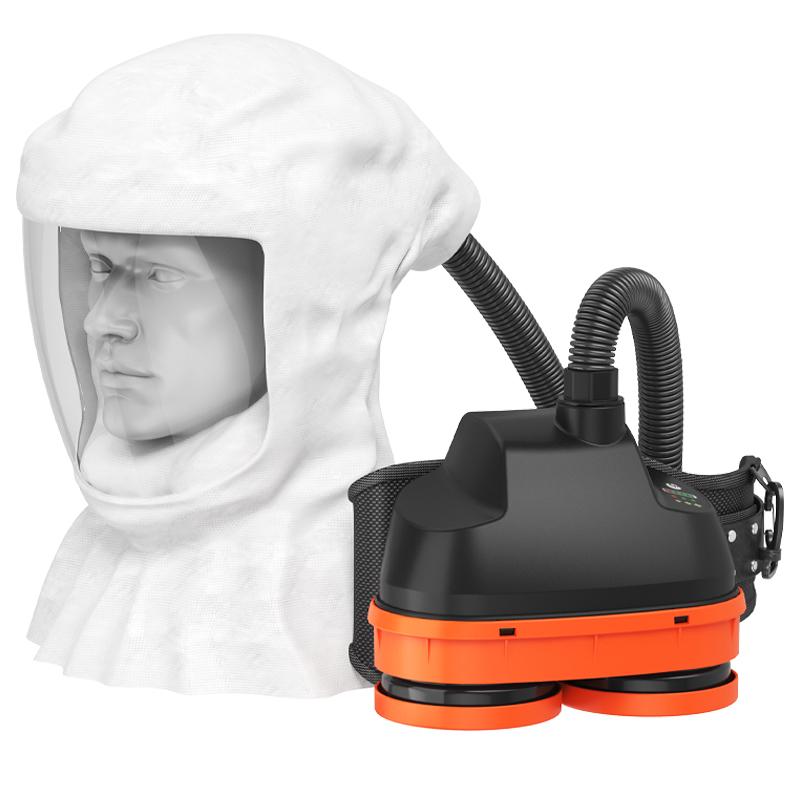
В автомобильной покраске блеск и гладкость лакокрасочного покрытия являются основными целями процесса, но потенциальные риски загрязнения заслуживают большего внимания. От удаления ржавчины грунтовкой и нанесения краски базовым слоем до герметизации прозрачным лаком — весь процесс генерирует двойное загрязнение: с одной стороны, частицы лакокрасочного тумана диаметром 0,1–5 микрон, которые могут непосредственно вдыхаться и оседать в легких; с другой стороны, органические пары, испаряющиеся из растворителей краски, таких как толуол, ксилол, этилацетат и другие летучие органические соединения (ЛОС), которые не только обладают резким запахом, но и могут повреждать нервную и дыхательную системы при длительном воздействии. Обычные пылезащитные маски могут блокировать только крупные частицы, в то время как маски с активированным углем имеют ограниченную адсорбционную способность и склонны к насыщению. Только картриджи с токсичными газами, благодаря целенаправленной конструкции фильтрации, могут одновременно блокировать частицы и органические пары, являясь «основной линией защиты» автомобильной покраски. Сегодня мы разберемся, почему баллончики с токсичными газами необходимы для покраски автомобилей и действительно ли популярный баллончик A2P3 подходит для этих целей. Характерная для автомобильной покраски "композитная загрязненность" определяет, что баллончики с токсичными газами являются не "дополнительным оборудованием", а "необходимой конфигурацией", особенно в сочетании с... респиратор с питанием от батареи (PAPR). Во-первых, синергетическая опасность частиц лакокрасочного тумана и органических паров намного выше, чем от каждого из этих загрязняющих веществ по отдельности — мелкие частицы выступают в качестве «носителей» органических паров, проникая глубже в дыхательные пути и усиливая токсичное проникновение. Обычные средства защиты не могут справиться с обоими факторами: однослойные пылезащитные маски не блокируют органические пары, а фильтрующие элементы для чистых органических паров забиваются лакокрасочным туманом, что приводит к резкому снижению эффективности фильтрации. Во-вторых, непрерывность покрасочных работ требует стабильного и долговечного защитного оборудования. Картриджи для токсичных газов имеют двухслойную структуру «предварительная фильтрация частиц + химическая адсорбция»: лакокрасочный туман сначала задерживается предварительным фильтрующим слоем, чтобы избежать засорения адсорбционного слоя, а активированный уголь и другие адсорбенты эффективно улавливают органические пары, обеспечивая стабильную защиту в течение нескольких часов непрерывной работы при использовании с PAPR. Что еще более важно, соответствующие требованиям картриджи для токсичных газов должны пройти профессиональную сертификацию, а их эффективность фильтрации и диапазон защиты должны быть тщательно протестированы на соответствие требованиям безопасности и стандартам, предъявляемым к покрасочным работам. Основная логика выбора подходящего картриджа для защиты от токсичных газов заключается в «точном соответствии типу и концентрации загрязнения», что требует предварительного понимания правил кодирования моделей картриджей. Модель картриджа для защиты от токсичных газов обычно состоит из «кода типа защиты + уровня защиты». Например, распространенный «Класс А» означает защиту от органических паров, «Класс П» — защиту от частиц, а число после буквы обозначает уровень защиты (чем выше число, тем выше уровень). В автомобильной покраске основным источником загрязнения являются «органические пары + частицы лакокрасочного тумана», поэтому выбор должен быть ориентирован на комплексные типы защиты, охватывающие как «органические пары, так и частицы», а не на картриджи с одной функцией. Сочетая отраслевую практику и характеристики загрязнения, картридж A2P3 является именно той базовой моделью, которая наиболее подходит для автомобильной покраски. Кроме того, необходимы гибкие настройки: для сценариев с высокой концентрацией, таких как закрытые покрасочные камеры, следует перейти на A3P3; При распылении красок на водной основе, поскольку частицы красочного тумана мельче, обеспечивается уровень P3, однако базовая комплексная система защиты по-прежнему принимает за эталон уровень A2P3. Слепой выбор однотипных или низкоконцентрированных картриджей с токсичными газами равносилен «пассивному воздействию» на риски загрязнения. В качестве "идеального образца" для автомобильной покраски — особенно при использовании в сочетании с респираторная система PAPR— Адаптивность картриджа A2P3 обусловлена его точным соответствием уровню загрязнения лакокрасочного покрытия. Сначала проанализируем основные характеристики модели: «A2» предназначен для защиты от органических паров средней концентрации (распространенные растворители для лакокрасочных покрытий, такие как толуол, ксилол и этилацетат, имеют температуру кипения выше 65°C, что полностью покрывает диапазон защиты A2), а «P3» обеспечивает высокоэффективный перехват частиц (эффективность фильтрации ≥99,95%, с почти 100% перехватом частиц лакокрасочного тумана размером 0,1–5 микрон). Что касается адаптивности к различным сценариям, будь то локальная подкраска в автомастерских, покраска всего автомобиля в небольших покрасочных цехах или обычные работы с распространенными масляными или водорастворимыми красками, концентрация органических паров в основном находится на среднем уровне, а диаметр частиц лакокрасочного тумана составляет 0,3–5 микрон, что идеально соответствует параметрам защиты A2P3 и производительности стандартного респиратора с принудительной подачей воздуха. На практике его двухслойная структура «предварительный фильтрующий слой + высокоэффективный адсорбционный слой» позволяет сначала задерживать лакокрасочный туман, предотвращая засорение адсорбционного слоя, что увеличивает срок непрерывной работы до 4-8 часов и полностью удовлетворяет требованиям ежедневной продолжительности покрасочных работ. Единственное исключение: при распылении высококонцентрированных специальных красок на основе растворителей (например, импортных высококонцентрированных металлизированных красок) или при непрерывной работе в полностью закрытых помещениях требуется модернизация до A3P3, но A2P3 остается лучшим выбором для более чем 90% сценариев обычной покраски в сочетании с PAPR. После выбора базовой модели A2P3 для максимальной защиты крайне важно правильное использование. Необходимо обратить внимание на три ключевых момента: во-первых, соответствие вспомогательному оборудованию — устройство должно использоваться с... персональный респиратор для очистки воздуха или герметичной противогазной маски, и прохождение теста на герметичность для обеспечения отсутствия утечек через зазоры, избегая ситуации, когда «картридж соответствует требованиям, но не обеспечивает защиту»; во-вторых, создание механизма раннего предупреждения о насыщении — при появлении запаха растворителя или значительном увеличении сопротивления дыханию, немедленная замена даже при неиспользовании теоретического срока службы. Предел непрерывного использования A2P3 при средней концентрации обычно составляет не более 8 часов; в-третьих, стандартизация хранения и обслуживания — срок годности невскрытого A2P3 составляет 3 года; после вскрытия, если он не используется, его следует герметично закрыть и хранить не более 30 дней, вдали от влаги и прямых солнечных лучей, чтобы предотвратить ухудшение адсорбционных свойств. В заключение, ядром защиты автомобильной краски является «точное соответствие составным загрязнениям». Благодаря точному сочетанию защиты «органические пары + высокоэффективные частицы», картридж A2P3 становится наиболее подходящей моделью для большинства сценариев. На основе A2P3 и с возможностью гибкой модернизации в зависимости от концентрации в сценарии, картридж с токсичными газами может стать настоящей «защитой для здоровья» маляров.Если хотите узнать больше, пожалуйста, нажмите здесь.www.newairsafety.com.
ЧИТАТЬ ДАЛЕЕ




 Поддерживается сеть IPv6