inquiry
оставить сообщение
Если вас заинтересовала наша продукция и вы хотите узнать более подробную информацию, оставьте сообщение здесь, и мы ответим вам как можно скорее.
ПРЕДСТАВЛЯТЬ НА РАССМОТРЕНИЕ
Компания Bengbu Longkai Welding Protection Technology Co., Ltd.
ДОМ

система бумажной печати

система бумажной печати

  • Demolition Work: Choosing the Right PAPR
    Demolition Work: Choosing the Right PAPR
    Jan 20, 2026
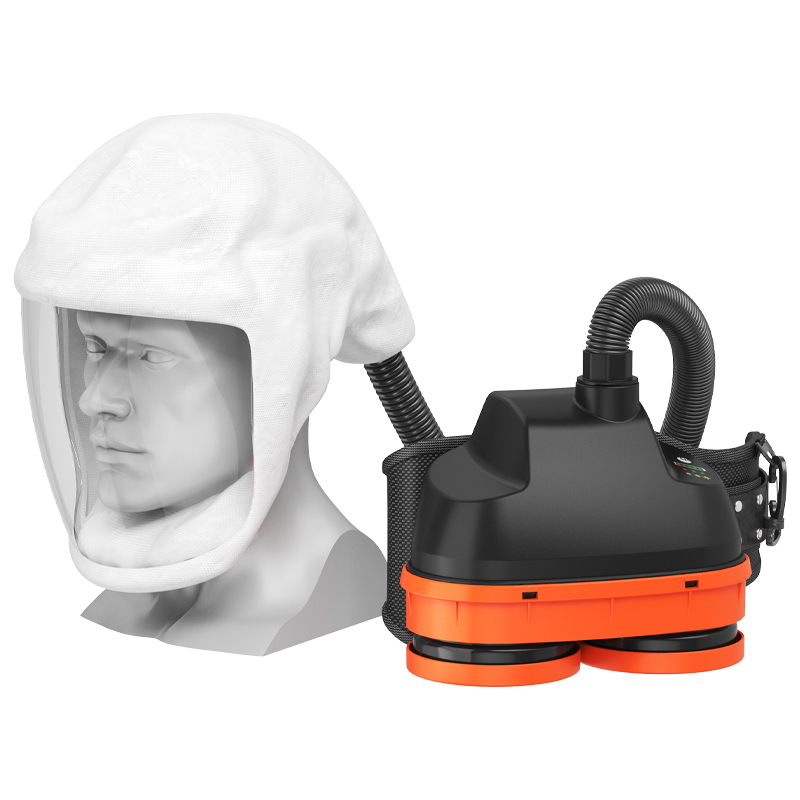
      Demolition work involves complex and variable environments. From breaking down walls of old buildings to dismantling industrial facilities, pollutants such as dust, harmful gases, and volatile organic compounds (VOCs) are pervasive, placing extremely high demands on respiratory protection for workers. battery powered respirator have become core protective equipment in demolition work due to their advantages of positive pressure protection and low breathing load. However, not all PAPRs are suitable for all scenarios; selecting the right type is essential to build a solid line of defense for respiratory safety. Compared with traditional negative-pressure respirators, PAPRs actively deliver air through an electric fan, which not only reduces breathing fatigue during high-intensity operations but also prevents pollutant leakage through the positive pressure environment inside the mask, significantly improving protection reliability.   For general dust-generating demolition operations, particulate-filtering PAPRs are preferred. Such operations commonly involve the demolition of concrete, masonry, wood, and other components, with respirable dust—especially PM2.5 fine particles—as the primary pollutant. Long-term inhalation can easily induce pneumoconiosis. When selecting a model, high-efficiency particulate filters should be used, and the mask can be chosen based on operational flexibility needs. For open-air scenarios such as ordinary wall breaking and floor demolition, air-fed hood-type PAPRs are more suitable. They do not require a facial fit test, offer strong adaptability, and can also provide head impact protection. For narrow workspaces with extremely high dust concentrations, it is recommended to use tight-fitting full-face PAPRs, which have a minimum air flow rate of no less than 95L/min, forming a tight seal on the face to prevent dust from seeping through gaps.   For demolition operations involving harmful gases, combined-filtering PAPRs are required. During the demolition of old buildings, volatile organic compounds such as formaldehyde and benzene are emitted from paints and coatings, while the dismantling of industrial facilities may leave toxic gases such as ammonia and chlorine. In such cases, a single particulate-filtering PAPR cannot meet protection needs. Dual-filter elements (particulate + gas/vapor) should be used, with precise selection based on pollutant types: activated carbon filter cartridges for organic vapors, and chemical adsorption filter elements for acid gases. For these scenarios, positive-pressure tight-fitting PAPRs are preferred. Combined with forced air supply, they not only effectively filter harmful gases but also reduce pollutant residue inside the mask through continuous air supply, while avoiding poisoning risks caused by mask leakage.   Special scenarios require targeted selection of dedicated loose fitting powered air purifying respirators. Demolishing asbestos-containing components is a high-risk operation—once inhaled, asbestos fibers cause irreversible lung damage. PAPRs complying with asbestos protection standards should be used, paired with high-efficiency HEPA filters. Additionally, hood-type designs must be adopted to avoid fiber leakage due to improper wearing of tight-fitting masks. Meanwhile, the hood should be used with chemical protective clothing to form full-body protection. For demolition in confined spaces such as basements and pipe shafts, oxygen levels must first be tested. If the oxygen concentration is not less than 19% (non-IDLH environment), portable positive-pressure PAPRs can be used with forced ventilation systems. If there is a risk of oxygen deficiency, supplied-air respirators must be used instead of relying on PAPRs.   PAPR selection must balance compliance with standards and operational practicality.  Adjustments should also be made based on labor intensity: most demolition work is moderate to high intensity, so Powered Air Purifying Respirator TH3 are more effective in reducing breathing load, preventing workers from removing protective equipment due to fatigue. Battery life must match operation duration—for long-term outdoor operations, replaceable battery models are recommended to ensure uninterrupted protection. Furthermore, filter elements must be replaced strictly on schedule: gas filter cartridges should be replaced within 6 months of opening, or immediately if odors occur or resistance increases, to avoid protection failure.   Finally, it should be noted that PAPRs are not universal protective equipment, and their use must be based on a comprehensive risk assessment. Before demolition work, on-site testing should be conducted to identify pollutant types, concentrations, and environmental characteristics, followed by selecting the appropriate PAPR type for the scenario.  Only by selecting and using PAPRs correctly can we build a reliable barrier for respiratory health in complex demolition work, balancing operational efficiency and safety protection.If you want know more, please click www.newairsafety.com.
    ЧИТАТЬ ДАЛЕЕ
  • PAPR Air Inlet Modes: Practical Differences & Selection Logic
    PAPR Air Inlet Modes: Practical Differences & Selection Logic
    Jan 16, 2026
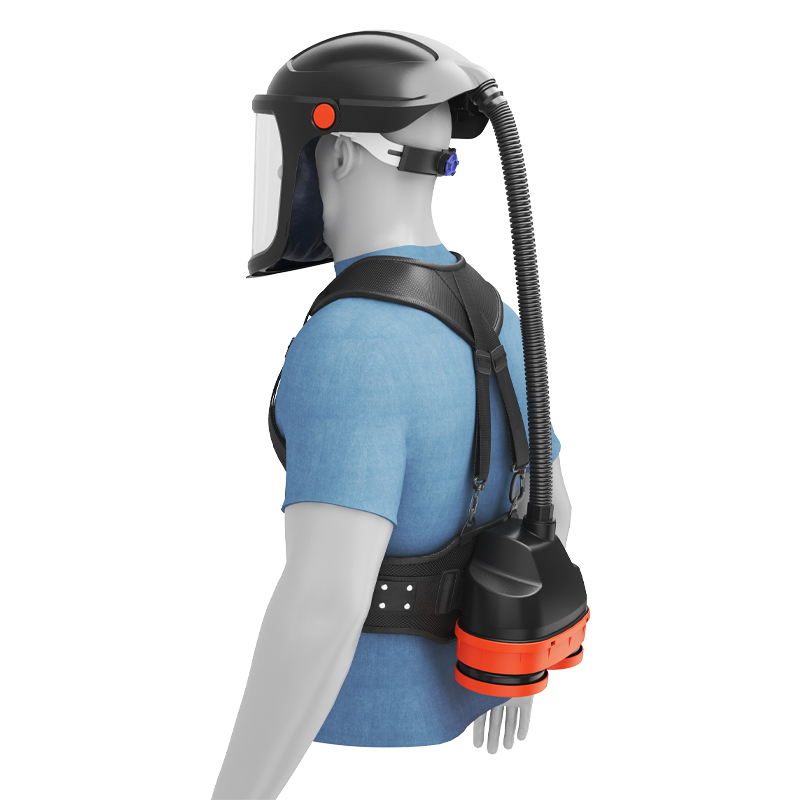
      In air purification respirator application scenarios, most users focus more on filtration efficiency and protection level, but often overlook the potential impact of air inlet modes on actual operations. this article focuses on the differences of front, side and back air inlet modes in wearing adaptability, scenario compatibility, energy consumption control and special population adaptation from the perspective of on-site operational needs. The choice of air inlet mode is not only related to protection effect but also directly affects operational continuity, equipment loss rate and employees' acceptance of the equipment. Its importance becomes more prominent especially in scenarios with multiple working condition switches and long-term operations.   The core competitiveness of front air inlet PAPR lies in lightweight adaptation and emergency scenario compatibility, rather than simple air flow efficiency. This design concentrates the core air inlet and filter components in front of the head, with the overall equipment weight more concentrated and the center of gravity forward, adapting to most standard head shapes without additional adjustment of back or waist load, being more friendly to workers who are thin or have old back injuries. In emergency rescue, temporary inspection and other scenarios, the front air inlet PAPR has significant advantages in quick wearing; without cumbersome hose connection, it can be worn immediately after unpacking, gaining time for emergency disposal. However, potential shortcomings cannot be ignored: the forward center of gravity may cause neck soreness after long-term wearing, especially when used with safety helmets, the head load pressure is concentrated, making it unsuitable for continuous operations of more than 8 hours; at the same time, the front air inlet is easily blown back by breathing air flow, leading to moisture condensation on the surface of the filter unit, which is prone to mold growth in high-humidity environments, affecting filter service life and respiratory health.   The core advantage of side air inlet PAPR is multi-equipment coordination adaptability and air flow comfort, which is the key to its being the first choice for comprehensive working conditions. In industrial scenarios, workers often need to match safety helmets, goggles, communication equipment and other equipment. The arrangement of the side air inlet unit can avoid the equipment space in front of and on the top of the head, prevent mutual interference, and not affect the wearing stability of the safety helmet. Compared with the direct air flow of the front air inlet, the side air inlet can achieve "face-surrounding air supply" through a flow guide structure, with softer air flow speed, avoiding dryness caused by direct air flow to the nasal cavity and eyes, and greatly improving tolerance for long-term operations. Its limitations are mainly reflected in bilateral adaptability: single-side air inlet may lead to uneven head force, while double-side air inlet will increase equipment volume, which may collide with shoulder protective equipment and operating tools; in addition, the flow guide channel of the side air inlet unit is narrow; if the filtration precision of the filter unit is insufficient, impurities are likely to accumulate at the flow guide port, affecting air flow smoothness.   The core value of back air inlet papr air purifier lies in extreme working condition adaptation and equipment loss control, especially suitable for high-frequency and high-intensity operation scenarios. Integrating core components such as air inlet, power and battery into the back, only a lightweight hood and air supply hose are retained on the head, which not only completely frees up the head operation space but also avoids collision and wear of core components during operation, significantly reducing equipment maintenance and replacement costs. The weight of the back component is evenly distributed; matched with adjustable waist belt and shoulder straps, it can disperse the load to the whole body. Compared with front and side air inlets, it is more suitable for long-term and high-intensity operations. Moreover, the long back air flow path can be equipped with a simple heat dissipation structure to alleviate equipment overheating in high-temperature environments. However, this mode has certain requirements for the working environment: the back component is relatively large, unsuitable for narrow spaces, climbing operations and other scenarios; as the core connection part, if the hose material has insufficient toughness, it is prone to bending and aging during large limb movements, and dust is easy to accumulate on the inner wall of the hose, making daily cleaning more difficult than front and side air inlet equipment.   The core logic of selection is the adaptive unity of "human-machine-environment", rather than the optimal single performance. If the operation is mainly temporary inspection and emergency disposal with high personnel mobility, front air inlet PAPR should be preferred to balance wearing efficiency and lightweight needs; for regular industrial operations requiring multiple protective equipment and long operation time, side air inlet is the choice balancing comfort and coordination; for high-frequency, high-intensity operations with strict requirements on equipment loss control, back air inlet is more cost-effective. In addition, special factors should be considered: front air inlet should be avoided in high-humidity environments to prevent moisture condensation; back air inlet should be excluded in narrow space operations, and lightweight front or side air inlet should be preferred; for scenarios with high communication needs, side air inlet is easier to coordinate with communication equipment.   The iterative design of papr respirator air inlet modes is essentially the in-depth adaptation to operational scenario needs. From the initial front air inlet to meet basic protection, to the side air inlet balancing comfort and coordination, and then to the back air inlet adapting to extreme working conditions, each mode has its irreplaceable value. For enterprises, selection should not only focus on equipment parameters but also combine feedback from front-line workers and detailed differences of operation scenarios, so that PAPR can become an assistant to improve operational efficiency rather than a burden while ensuring safety. In the future, with the popularization of modular design, switchable air inlet modes may become mainstream, further breaking the scenario limitations of a single air inlet mode.If you want know more, please click www.newairsafety.com.
    ЧИТАТЬ ДАЛЕЕ
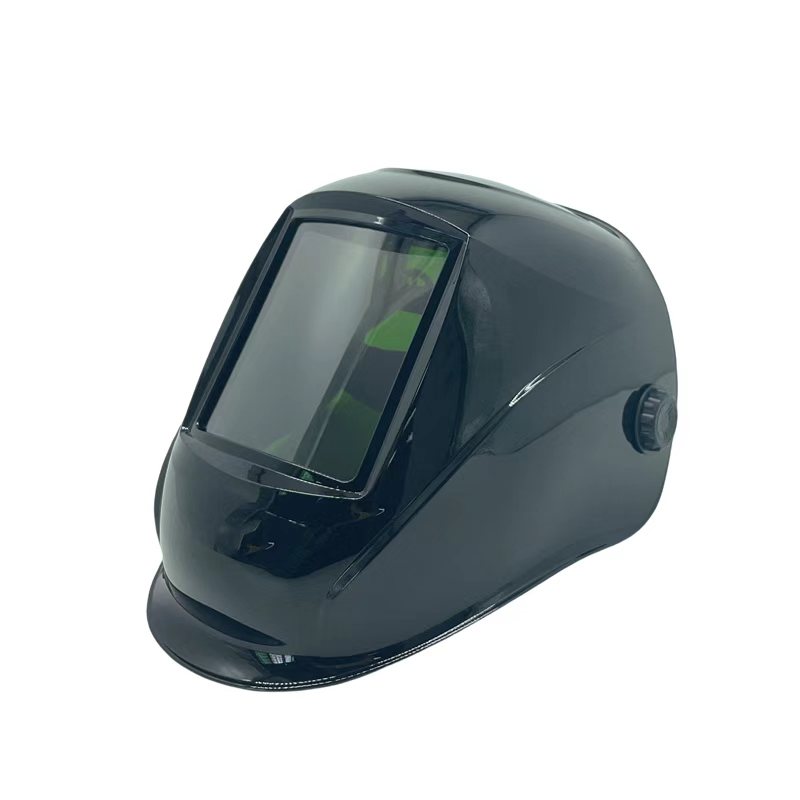
  • Маска для лазерной сварки и респиратор с принудительной очисткой воздуха: синергетическая защита для сварщиков
    Маска для лазерной сварки и респиратор с принудительной очисткой воздуха: синергетическая защита для сварщиков
    Sep 04, 2025
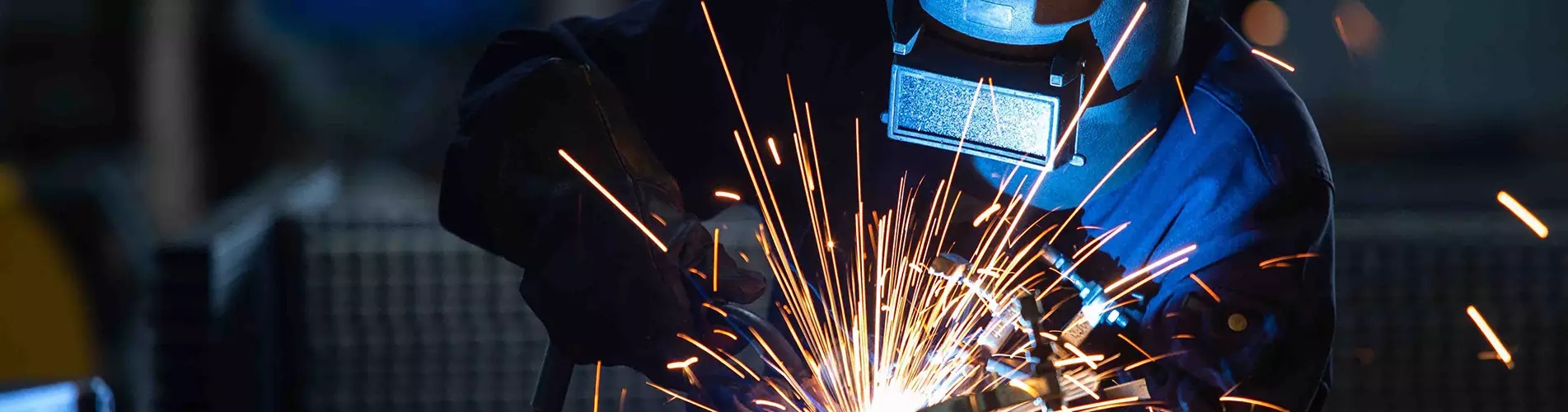
    Лазерная сварка произвела революцию в прецизионном производстве, но она также создаёт особые проблемы безопасности — от интенсивного лазерного излучения до паров металла. Для борьбы с этими рисками необходима специализированная защитная экипировка, и сегодня мы рассмотрим, как работает маска для лазерной сварки в сочетании с Электроприводной очистительный респиратор для обеспечения безопасности сварщиков.Щит для глаз и лица: сварочный шлем NEW AIR LaserВозьмём, к примеру, сварочный шлем NEW AIR для лазерной сварки. Его технические характеристики демонстрируют целенаправленную защиту от излучения волоконного лазера с длиной волны 950–1100 нм — идеальное решение для ручных лазерных сварочных аппаратов. Маска оснащена прочной нейлоновой маской и поглощающим лазерное излучение окном из поликарбоната (ПК). Это окно имеет оптическую плотность (ОП) более 8 в диапазоне длин волн 950–1100 нм, блокируя практически всю вредную лазерную энергию. Благодаря степени затемнения DIN4, оно также защищает от бликов и вторичного света дуги, обеспечивая чёткую видимость и защищая глаза и кожу лица от ожогов и долговременного воздействия радиации.Дышите легко с помощью электроприводного воздухоочистительного респиратораВ то время как лазерная сварочная маска защищает глаза и лицо, бумажного респиратора Борется с другой критической угрозой: опасными веществами, передающимися по воздуху. Лазерная сварка выделяет мелкие металлические частицы, озон и оксиды азота, которые могут раздражать или повреждать дыхательную систему. В респираторе с принудительной подачей воздуха используется вентилятор с питанием от аккумулятора, который прогоняет воздух через высокоэффективные фильтры, а затем подает чистый сжатый воздух в зону дыхания пользователя (часто через капюшон или маску). Этот активный поток воздуха не только отфильтровывает загрязнения, но и снижает сопротивление дыханию, делая длительные сварочные работы более комфортными.Синергия: шлем и респиратор как единая защитаСвязь между лазерной сварочной маской и респиратор с принудительной подачей воздуха имеет корни в комплексная защита. Шлем блокирует опасный свет и брызги, предотвращая попадание их в глаза и лицо, а респиратор PAPR гарантирует отсутствие токсичных паров в каждом дыхании. В таких условиях, как замкнутые пространства или массовая лазерная сварка (где концентрация дыма резко возрастает, а излучение остаётся интенсивным), использование обоих средств не просто рекомендуется, а необходимо для обеспечения долгосрочной охраны труда. Вместе они создают «двойной барьер», защищающий две наиболее уязвимые зоны сварщика: зрение/кожу и дыхание.Почему комбинированная защита имеет значениеБезопасность при сварке — это не просто однослойная защита. Высококачественная маска для лазерной сварки защищает от оптических помех, но не может фильтровать вдыхаемый воздух. И наоборот, респиратор с принудительной подачей воздуха защищает лёгкие, но не защищает глаза от бликов лазера. Благодаря интеграции маски для лазерной сварки с Электроприводной очистительный респираторСварщики получают комплексную защиту, которая позволяет им сосредоточиться на точной работе без ущерба для здоровья. Будь то автомобильная, аэрокосмическая или мелкосерийная промышленность, этот дуэт обеспечивает безопасность, сравнимую с передовыми технологиями лазерной сварки. Чтобы узнать больше, посетите www.newairsafety.com.
    ЧИТАТЬ ДАЛЕЕ

оставить сообщение

оставить сообщение
Если вас заинтересовала наша продукция и вы хотите узнать более подробную информацию, оставьте сообщение здесь, и мы ответим вам как можно скорее.
ПРЕДСТАВЛЯТЬ НА РАССМОТРЕНИЕ
СВЯЗАТЬСЯ С НАМИ: sales@txhyfh.com

ДОМ

ПРОДУКЦИЯ

Ватсап

Связаться с нами